Travel essentials
Zhangjiajie Travel Guide: Attractions, Transport, Day Plans
Where China's quartz-sandstone pillars rise 3,000 strong: a guide to Zhangjiajie's peaks, caves, glass bridge, Tujia culture, seasons and getting there.
Manjing Travel
Published 10 min read
01
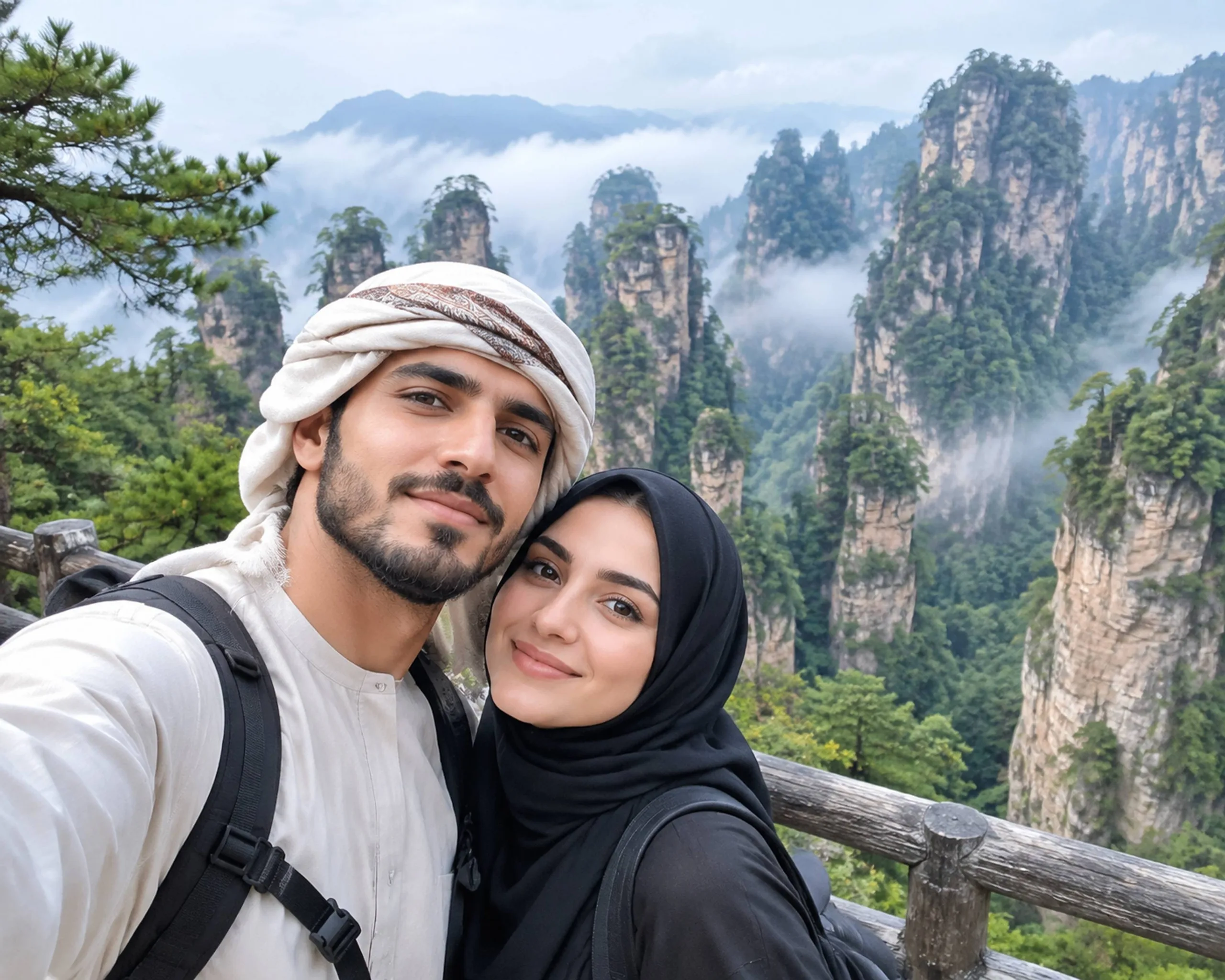
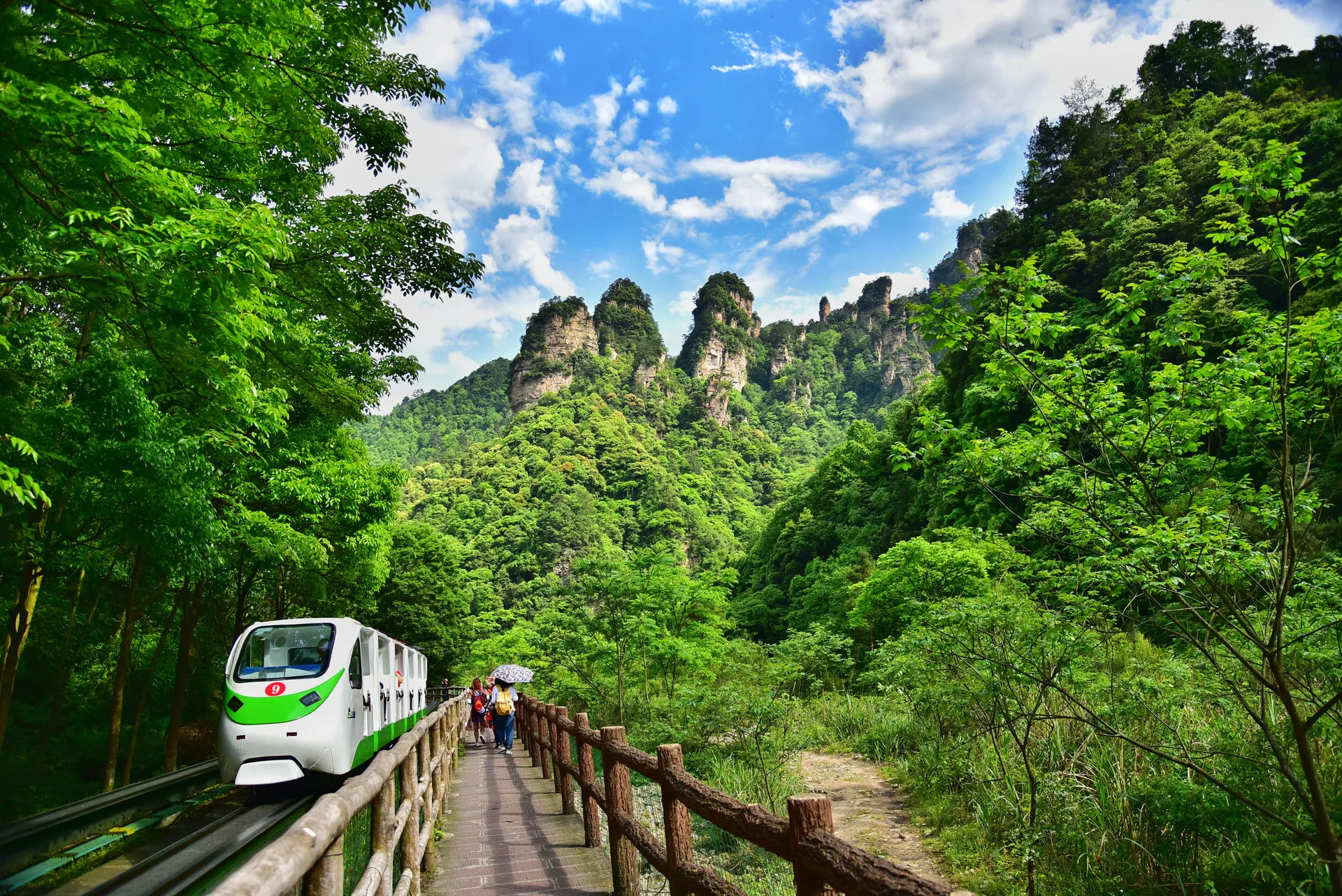
Unlike the gentle, comfortable atmosphere found in many other scenic destinations, Zhangjiajie offers an exhilarating experience—a place where you can leave your worries and stresses behind. Whether you are drawn by the inspiration for the floating mountains in Avatar or eager to explore one of China’s World Natural Heritage sites, Zhangjiajie—with its awe-inspiring stone forests, deep, mysterious canyons, and rich Tujia ethnic culture—is sure to leave an indelible impression.
02
Must-Visit Attractions
Zhangjiajie boasts a number of breathtaking attractions, each with its own unique charm. Only by seeing the scenery with your own eyes can you truly appreciate its magnificence.
1. Zhangjiajie National Forest Park
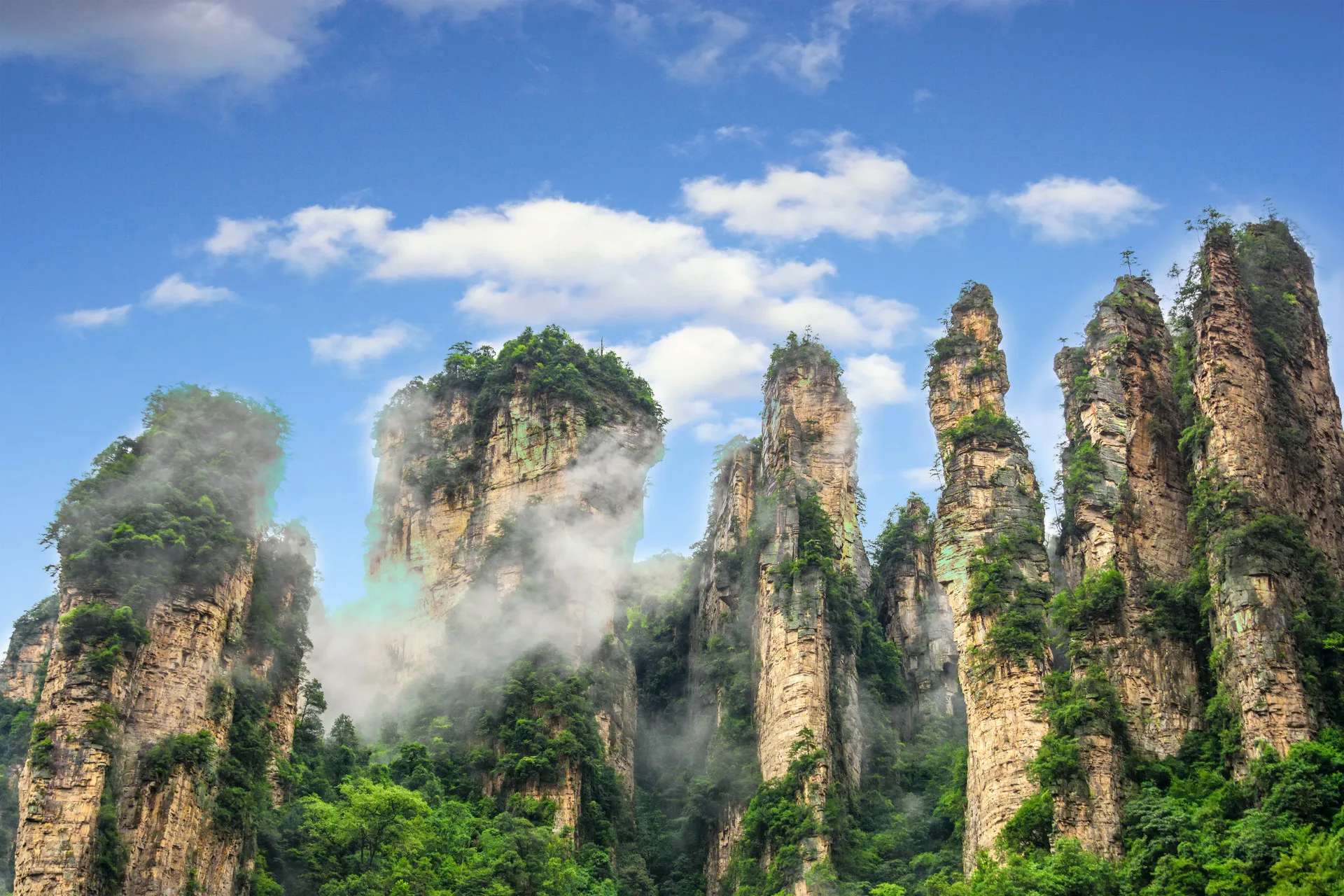
As China’s first national forest park, the area encompasses several scenic spots, including Huangshizhai, Jinbian Creek, Yuanjiajie, Tianzi Mountain, and Yangjiajie. It is home to the "Southern Sky Column" (now renamed "Avatar Hallelujah Mountain") in Yuanjiajie—the inspiration for the "Hallelujah Mountains" featured in the film Avatar. Furthermore, the park has served as a filming location for various screen adaptations, such as Journey to the West and Dream of the Red Chamber.
Tickets:
Combined Scenic Area Ticket (Admission + Eco-friendly Shuttle Bus): Approximately 224 RMB, valid for 4 consecutive days.
Three Cable Cars and One Elevator (Single-trip tickets): Tianzi Mountain Cable Car 76 RMB, Yangjiajie Cable Car 76 RMB, Huangshizhai Cable Car 65 RMB, Bailong Elevator 65 RMB.
2. Tianmen Mountain
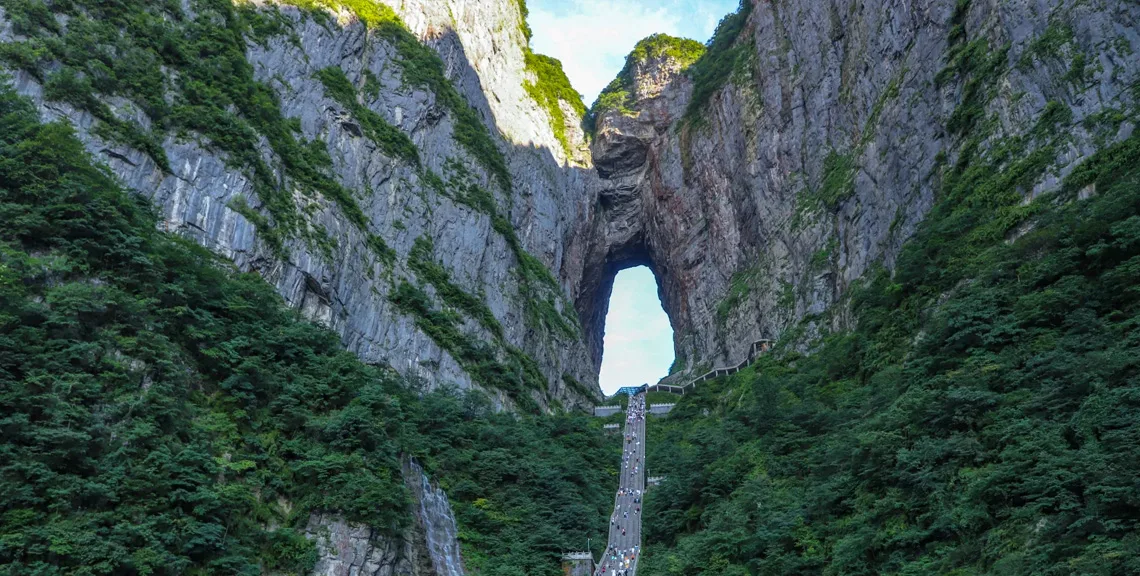
Take the world’s longest alpine passenger cable car directly to the summit. Along the way, you will encounter breathtaking sights, including a thrilling glass skywalk, a winding mountain road featuring 99 hairpin bends—known as the "Avenue Toward Heaven"—and the massive, naturally formed mountain archway known as "Tianmen Cave" (Heaven's Gate).
Tickets:
Combined ticket for routes A, B, or C (includes round-trip cable car): approximately 278 RMB, valid for the day of purchase. A separate fee of approximately 5 RMB applies for shoe covers required for the glass skywalk. The forest sightseeing shuttle at the summit costs approximately 25 RMB, and the Tianmen Mountain escalator costs approximately 32 RMB.
3. Zhangjiajie Grand Canyon
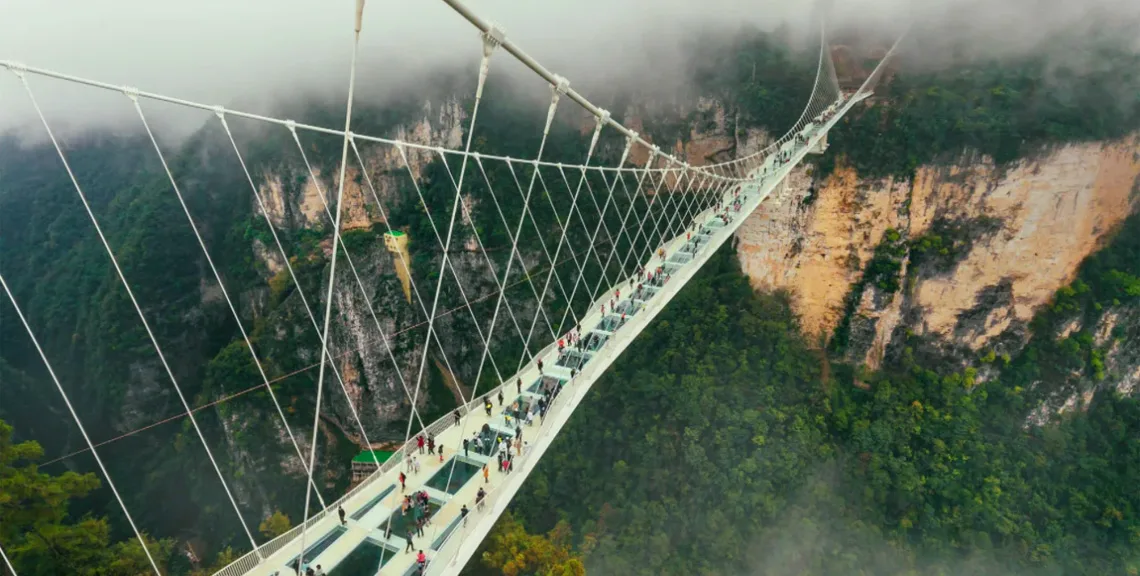
This is a fantastic destination for adventurers, offering the chance to hike alongside streams and waterfalls. Spanning the canyon above is the world’s highest and longest glass-bottom pedestrian bridge—the "Cloud Skywalk"—promising a heart-pounding experience.
Tickets:
Route A (Grand Canyon only): ¥53; Route B (Grand Canyon + Glass Bridge): ¥178. Combination tickets that include additional attractions—such as the sightseeing elevator and boat tours—are also available!
4. Qixing Mountain
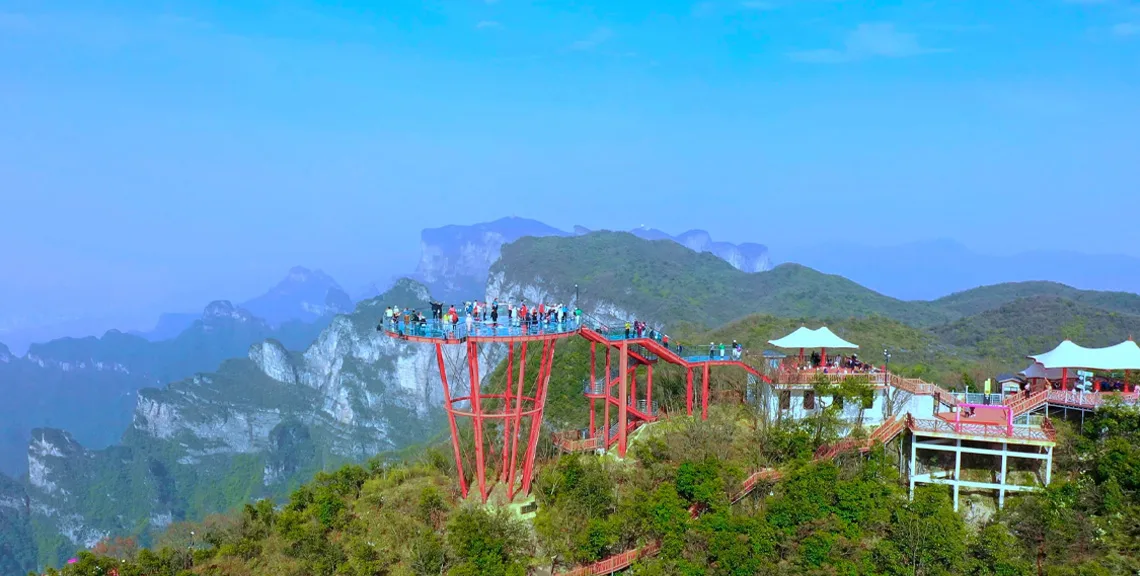
This is a newly popular tourist attraction in Zhangjiajie, situated at an altitude of approximately 1,520 meters. It has gained fame for its "via ferrata" (cliff-climbing) courses—featuring the longest cliff-climbing route in Asia and the "1520 Eye of the Sky" glass observation deck—offering visitors the thrilling experience of ascending to a summit while suspended over a sheer drop.
Ticket:
¥186, which includes the entrance ticket, round-trip cable car, sightseeing shuttle, the "1520 Eye of the Sky" (Sky Eye) attraction, and the glass skywalk. Additional activities—such as the alpine mountain coaster and the via ferrata experience—are available for an extra charge.
5. The 72 Wonder Towers
Located in the city center, this complex of traditional architecture is brilliantly illuminated at night and frequently hosts folk performances. It is a great place to visit in the evening to experience local culture and a lively atmosphere—an ideal choice for the first or last night of your trip.
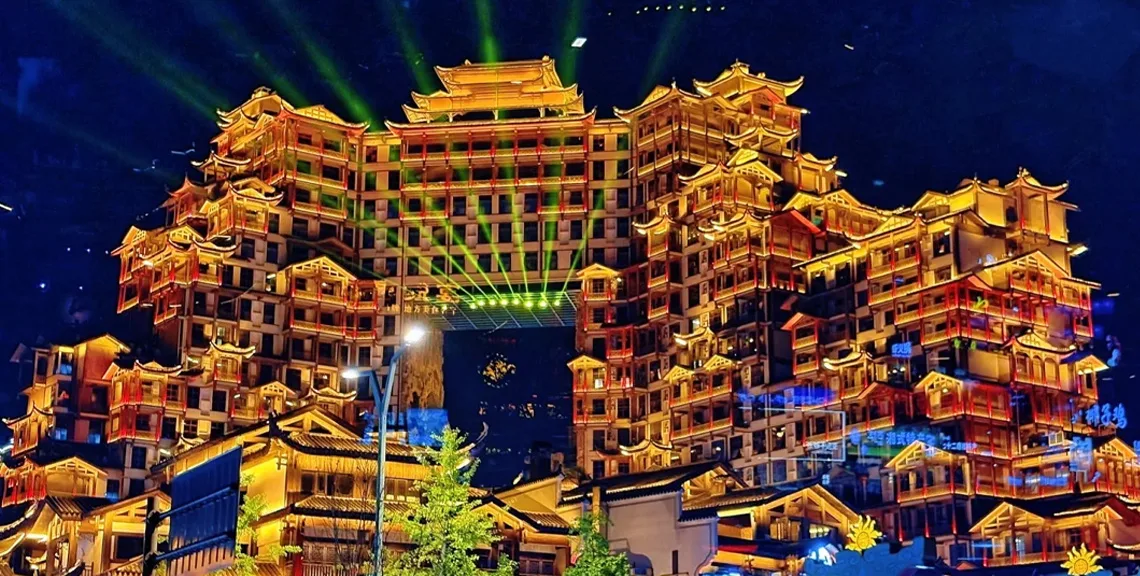
Ticket:
Day session: approx. 48 RMB; night session: approx. 88 RMB
6. Yellow Dragon Cave
Beyond the extraordinary peaks above ground, Zhangjiajie also boasts a subterranean wonderland. Filled with forests of stalagmites and deep, hidden underground rivers, this realm offers an experience distinct from that of the mountains and canyons above—most notably featuring the iconic "Sea-Calming Needle" (Dinghai Shenzhen) stalagmite, which towers at a height of 19.2 meters.
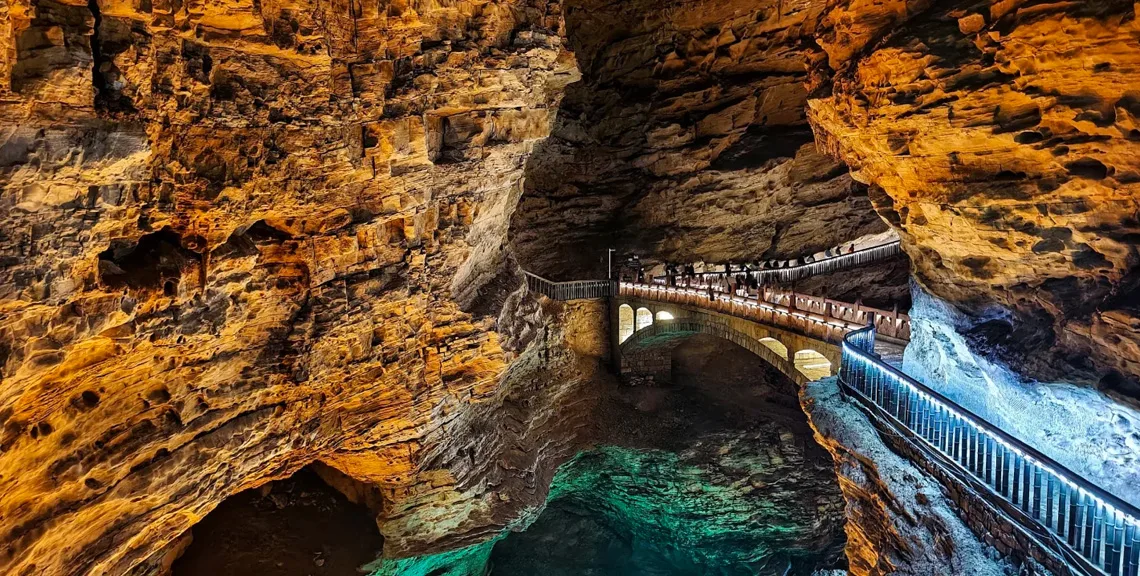
Ticket:
Admission is 60 RMB; boat service is 36 RMB.
03
Unique Activity Experiences in Zhangjiajie
The charm of Zhangjiajie lies not merely in observation, but in participation and experience.
Watch the "Charm of Western Hunan" (Meili Xiangxi) performance: A large-scale ethnic song-and-dance show showcasing the cultures of the Tujia, Miao, and other ethnic minorities. The performance—which lasts approximately two hours—features traditional elements such as the "Baishou" (hand-waving) dance, the mysterious "corpse-driving" (gan shi) tradition, and the ritual of "crying at weddings." Tickets start at 168 RMB; booking in advance is recommended during peak season.
Via Ferrata (Cliff Climbing): Experience cliff climbing on Qixing Mountain. As this is an extreme sport, it is recommended only for those with prior experience.
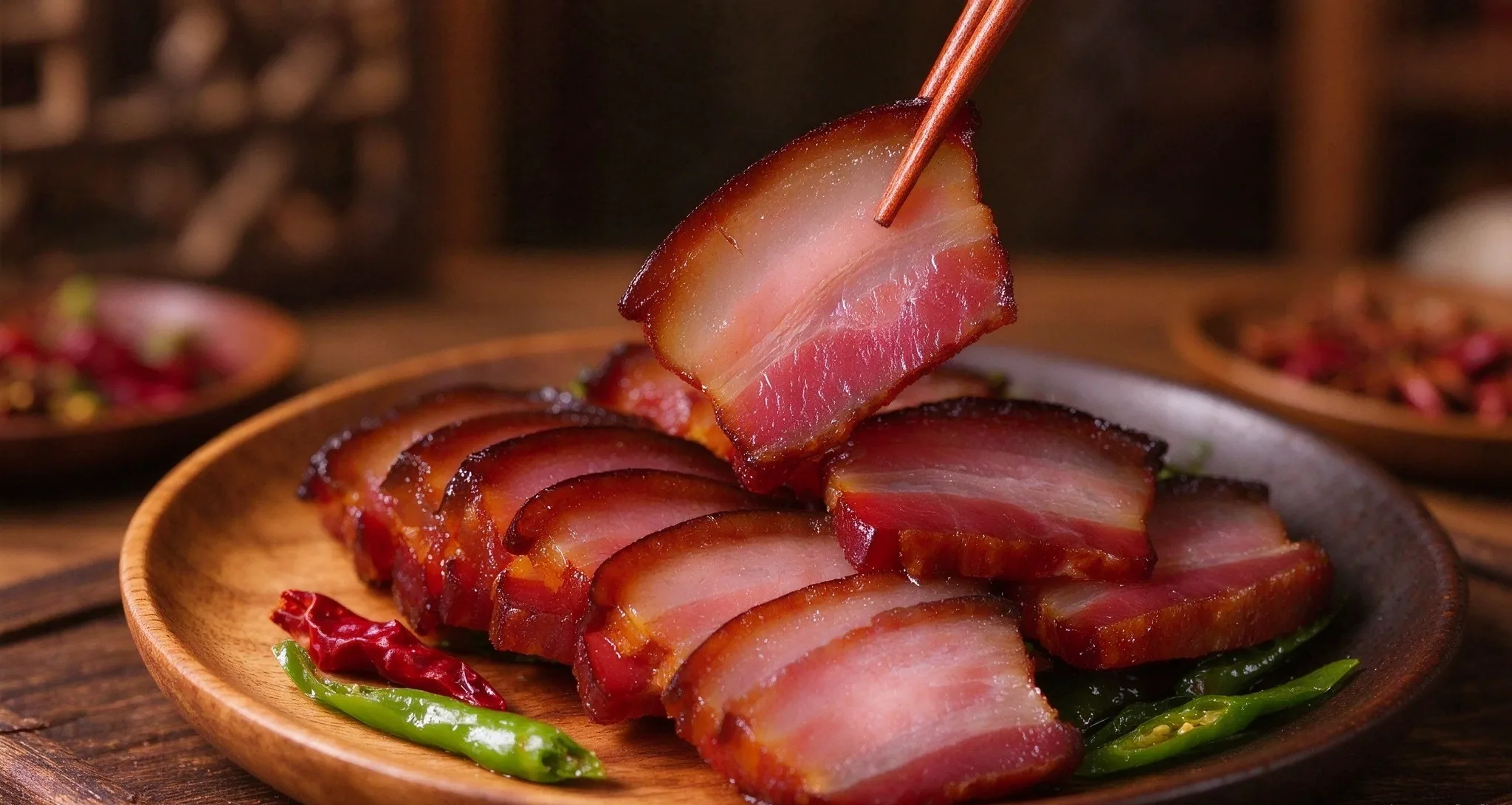
Sample Western Hunan cuisine: Rooted in the spicy and aromatic traditions of Hunan cuisine, this regional style also incorporates distinct Tujia influences. A signature dish is "Sanxia Guo" (a hearty stir-fry/stew featuring a combination of three main ingredients, such as pork offal, tripe, or pork ribs). Another local specialty is Tujia-style cured meat (la rou)—smoked over pine and cypress branches, it boasts a vibrant reddish hue, a rich, mellow flavor, and a long shelf life. Other notable delicacies include tangyou baba (sweet, deep-fried glutinous rice cakes) and free-range chicken stewed with yan'er (a rare, edible rock fungus).
04
When to Go
Zhangjiajie is beautiful in every season, with each month offering its own unique charm; however, spring and autumn are the best times to visit.
September–October: The weather is pleasant with plenty of sunshine, making this the period with the highest number of visitors.
April–June: This is the rainy season, characterized by a tranquil atmosphere and mist-covered landscapes; it is also a peak travel period.
Peak periods to avoid: Chinese public holidays, such as the Qingming Festival (April 4–6), Labor Day (May 1–3), and National Day (October 1–7). If you plan to visit during these times, it is recommended to book your tickets and accommodation at least three months in advance.
05
Suggested Ideal Itinerary
It is recommended to set aside 4 days for Zhangjiajie, which will allow you for a comprehensive travel experience. If you would like to explore further, you could also extend your trip to include Furong Town—an ancient, thousand-year-old town perched above a waterfall—and the ancient town of Fenghuang, where you can soak in the unique charm of the riverside settlements in Western Hunan.
Recommended Itinerary:
06
Transportation and Accommodation
How to Get Here
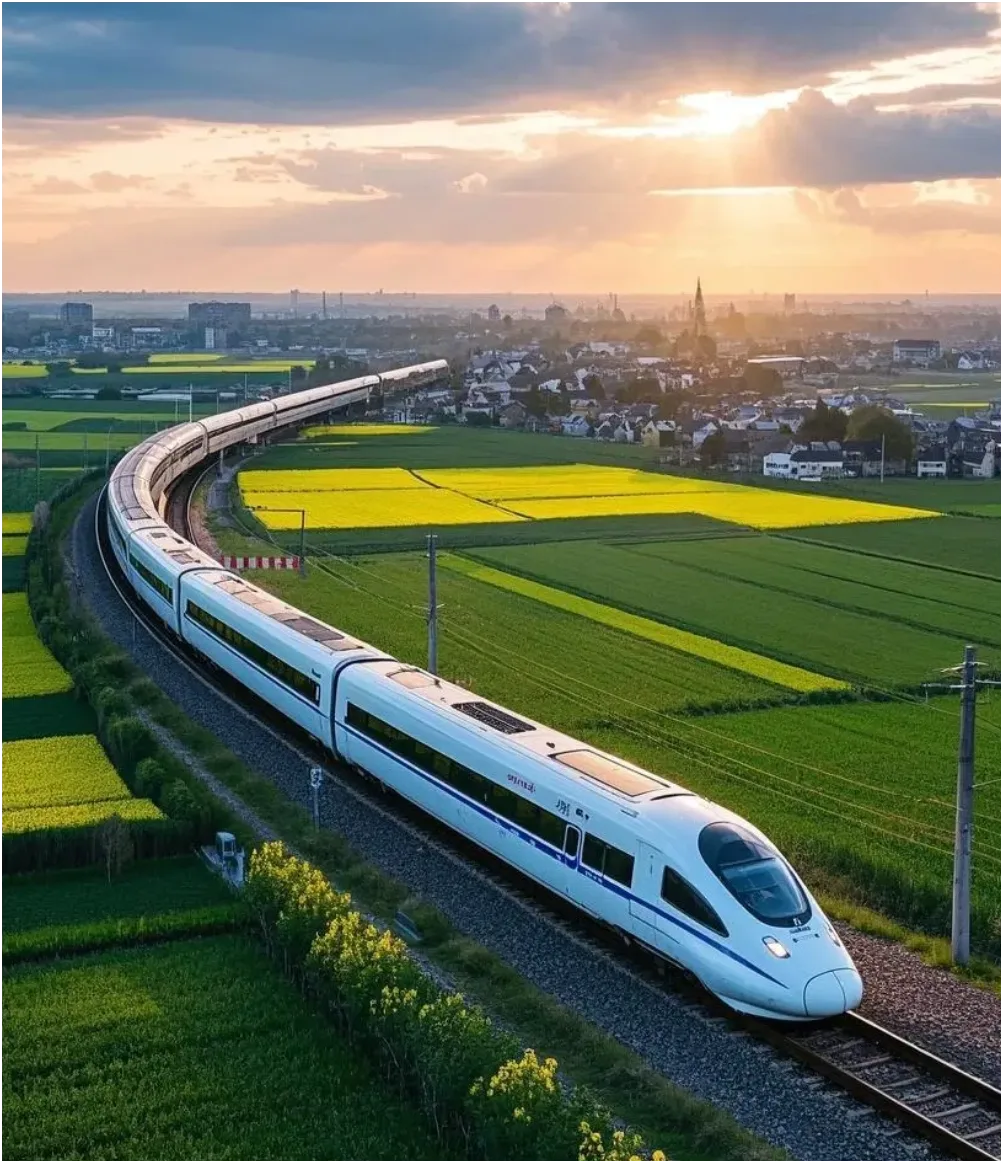
Air Travel: You can fly directly to Zhangjiajie Hehua International Airport (which serves some international routes), or alternatively, fly to Changsha Huanghua International Airport and then take a high-speed train (approximately 2.5–3 hours) to Zhangjiajie.
High-Speed Rail: Zhangjiajie West Station connects to major cities such as Changsha, Beijing, and Shanghai. Departing from Changsha South Station is the most convenient option; a second-class ticket costs approximately 135–300 RMB, with a travel time of about 2–3 hours. Trains also depart from Changsha Railway Station, offering lower fares and more frequent departures.
Local Transportation: The adjacent Zhangjiajie Central Bus Station serves as the best departure point for reaching various tourist attractions.
Accommodation Options
Hotels are primarily concentrated in Zhangjiajie city and the town of Wulingyuan, which lies adjacent to the National Forest Park. It is recommended to stay near the National Forest Park—this not only makes visiting the park more convenient, but some of the best hotels are also located in the vicinity of the scenic area.
07
A Practical Guide to Zhangjiajie
Local Apps: Use Dazhong Dianping (大众点评) to check photos and reviews for dining; use Didi Chuxing (滴滴出行) to hail rides. WeChat Pay and Alipay are ubiquitous—it is highly recommended to download these apps and link your payment methods before your trip.
Health & Preparation: Visiting mountainous areas involves a significant amount of walking; please ensure you are in good physical condition. It is advisable to pack basic medical supplies, such as cold medicine and adhesive bandages.
Advance Booking: During peak seasons (public holidays and summer vacation), it is recommended to book tickets for Tianmen Mountain, popular shows, and quality accommodations online in advance.
Official Reservations: Core scenic areas require online, real-time-slot reservations linked to your legal identity. The only official channels for this are the WeChat mini-programs "Zhangjiajie Yiji You" (张家界一机游) or "Zhangjiajie Tourism Assistant" (张家界旅游小助手). Standard adult tickets for the current day are not sold on-site; for multi-day passes (valid for 4 days), you must reserve a specific time slot for each entry.
Safety Reminders: The forest park is a habitat for macaques—please maintain a safe distance and do not feed them. Access to the glass skywalks at Tianmen Mountain may be affected by weather conditions; please check official park announcements before your visit.
Where are the "Avatar" floating mountains located in Zhangjiajie?
The primary visual inspiration was the "Southern Sky Column" (later renamed "Hallelujah Mountain") in the Yuanjiajie area of Zhangjiajie National Forest Park; other locations, such as Golden Whip Stream and Tianzi Mountain, also served as sources for the film's imagery.
Where is a convenient place to stay in Zhangjiajie?
It is recommended to stay in Wulingyuan (near the National Forest Park), as it is convenient for sightseeing and offers a high concentration of quality hotels; if you have an early or late flight or high-speed train, you might consider staying in the city center for your first and last nights.
What are the must-try foods in Zhangjiajie?
"Sanxiaguo" (signature dish), Tujia-style cured meat, tangyou baba (sweet fried rice cakes), and free-range chicken stewed with rock fungus. The cuisine is rooted in the spicy, savory profile of Hunan food, infused with the distinct flavors of the Tujia ethnic group.
How many days should one spend in Zhangjiajie?
A 4-day trip is recommended. The National Forest Park covers a large area, and admission tickets are valid for 4 days; you can spend 2 days in the Forest Park, while dedicating the remaining time to Tianmen Mountain, the Grand Canyon, and a performance. For a more in-depth experience, you could include Furong Town and Fenghuang Ancient Town, extending the trip to 5–6 days.
When is the best time to visit Zhangjiajie?
The best times to visit are during the spring and autumn—specifically April–May and September–November. It is advisable to avoid the rainy season (April–June) as well as peak periods during public holidays such as the Qingming Festival, Labor Day (May 1st), and National Day (October 1st). If you plan to travel during these holidays, be sure to book at least three months in advance.
Published 2026-11-25 by Manjing Travel.
Still have a question this did not answer?
A named planner replies within one working day. No call centre and no chatbot.
Ask a planner