
Travel essentials
Safety in China: practical advice for visitors
Most visitors need a practical safety plan rather than a dramatic one: watch traffic, protect your documents, respect altitude and know how to get help.
Manjing Travel
Published 5 min read
01
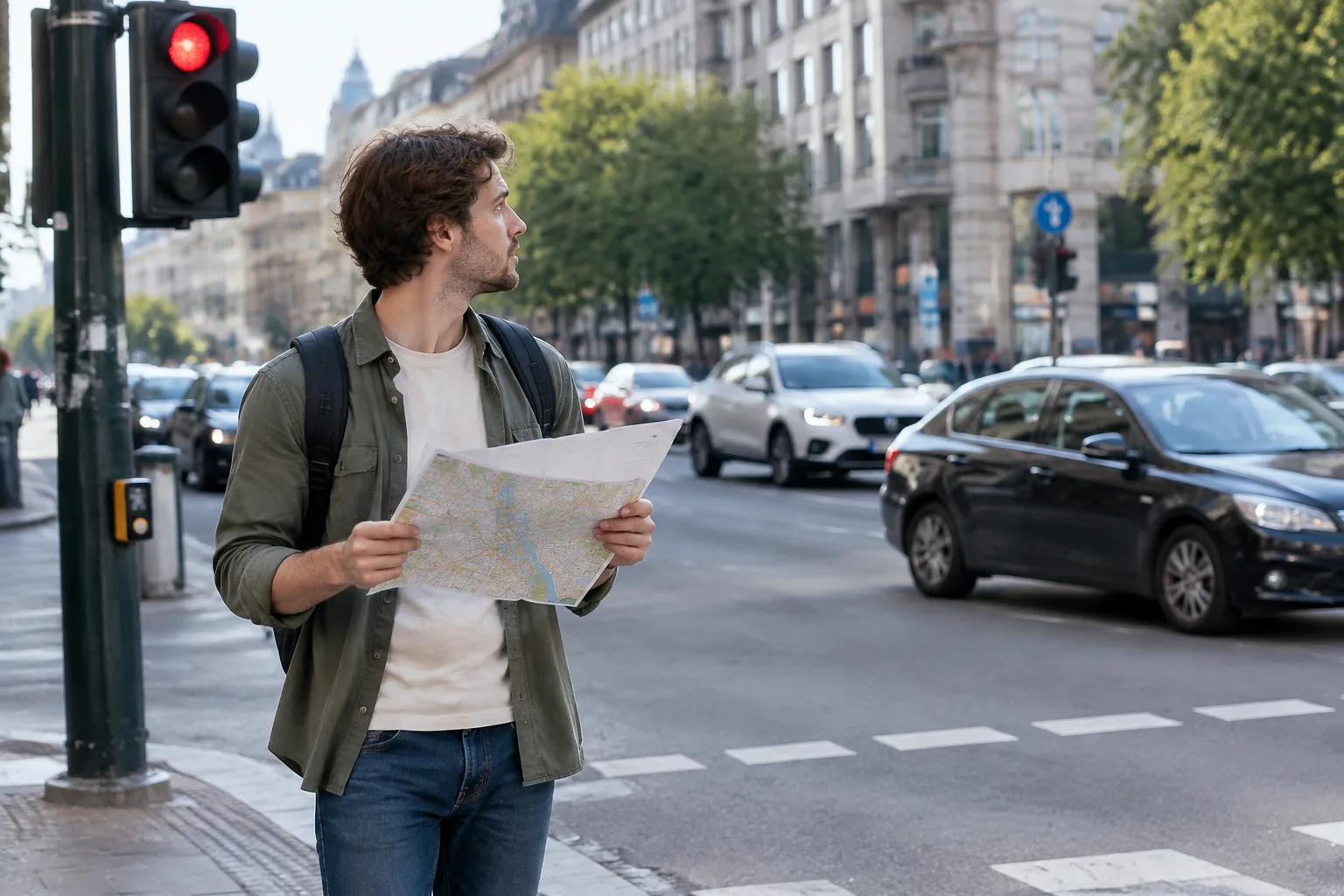
China is a vast country with significant variations across cities, regions, and climates, as well as diverse modes of travel; therefore, it is not possible to make a sweeping generalization about whether China as a whole is "safe." A more practical approach is to consider the specific risks that might arise along your planned route and to prepare for how to handle them should they occur. This article is intended for foreign visitors and is not a substitute for professional advice regarding legal, consular, or emergency medical matters.
02
Safety should be assessed based on the specific route.
Conditions vary significantly across China. Risks differ depending on the location—whether it is an urban area or a mountainous region—as well as the local climate and the modes of transport used. Rather than asking, "Is China safe as a whole?" it is more practical to ask, "What risks might I encounter on my specific route, and how should I prepare for them?" Before setting off, you should make targeted preparations based on your destination, altitude, weather conditions, transportation, and planned activities.
What you need to do:
The route should be planned in segments.
Plan separately for cities, mountainous areas, high-altitude regions, and areas with significant climatic differences.
Ensure travel transitions are reasonable; avoid long, exhausting journeys every single day.
For high-altitude routes, build in time for acclimatization and include designated rest days.
Do not apply the fast-paced, packed itineraries typical of lowland cities to high-altitude regions.
Identification and Emergency Information
Keep your original passport with you and ensure it is kept safe. It is also advisable to maintain secure copies of your passport’s data page, visas or entry records, insurance policy, and emergency contact information.
Store these copies separately from the original documents; however, please note that you will generally need to present your original passport for official inspections or hotel check-ins.
Prepare a card with your hotel’s address written in Chinese, which will help you explain your location to locals in case of an emergency.
Before your departure, familiarize yourself with the relevant information regarding entry requirements, hotel registration procedures, and immigration-related assistance.
03
Traffic and Crowds
1. Transportation Risks
Transportation is a risk that tourists often underestimate.
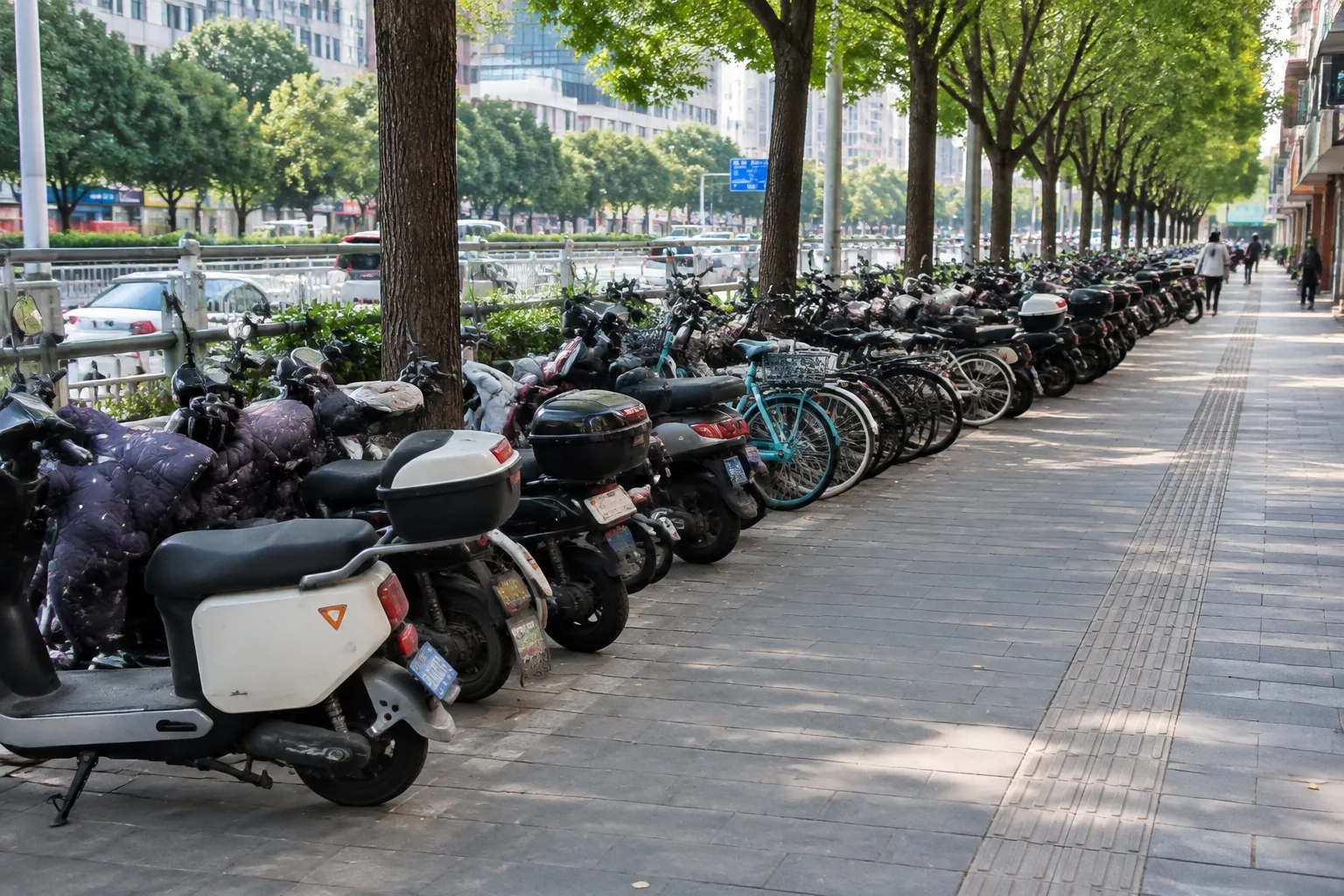
Electric bicycles can be very quiet, approach from any direction, and may travel along the edges of crosswalks or in bike lanes. So, keep an eye on your surroundings at all times—and please, don’t keep your head down looking at your phone!
Even when the pedestrian signal turns green, it does not mean that all vehicles have come to a stop. Therefore, you should always use marked crosswalks when crossing the street, look in both directions, and keep a close eye on children at busy intersections.
2. Crowded places
In crowded places like train stations, markets, or festival events—regardless of the country—you should always keep your passport, mobile phone, and wallet inside a closed bag.
04
Altitude, weather and health
If you are traveling in China, factors such as altitude, weather, and health may warrant more of your attention than concerns about petty theft. Variations in altitude and weather can affect your well-being and potentially lead to an unsafe or unpleasant experience.
1. Allow time for acclimatization when traveling to high-altitude areas.
Trips to Tibet or other high-altitude destinations require an acclimatization period; plan a realistic pace.
If you experience symptoms such as headaches, unusual shortness of breath, dizziness, or confusion, seek medical advice promptly.
2. Weather, Air Quality, and Medication Preparation
Extreme heat or cold, air quality issues, and sudden weather changes can often have a greater impact on your trip than the risk of crime.So, you need to keep the following in mind:
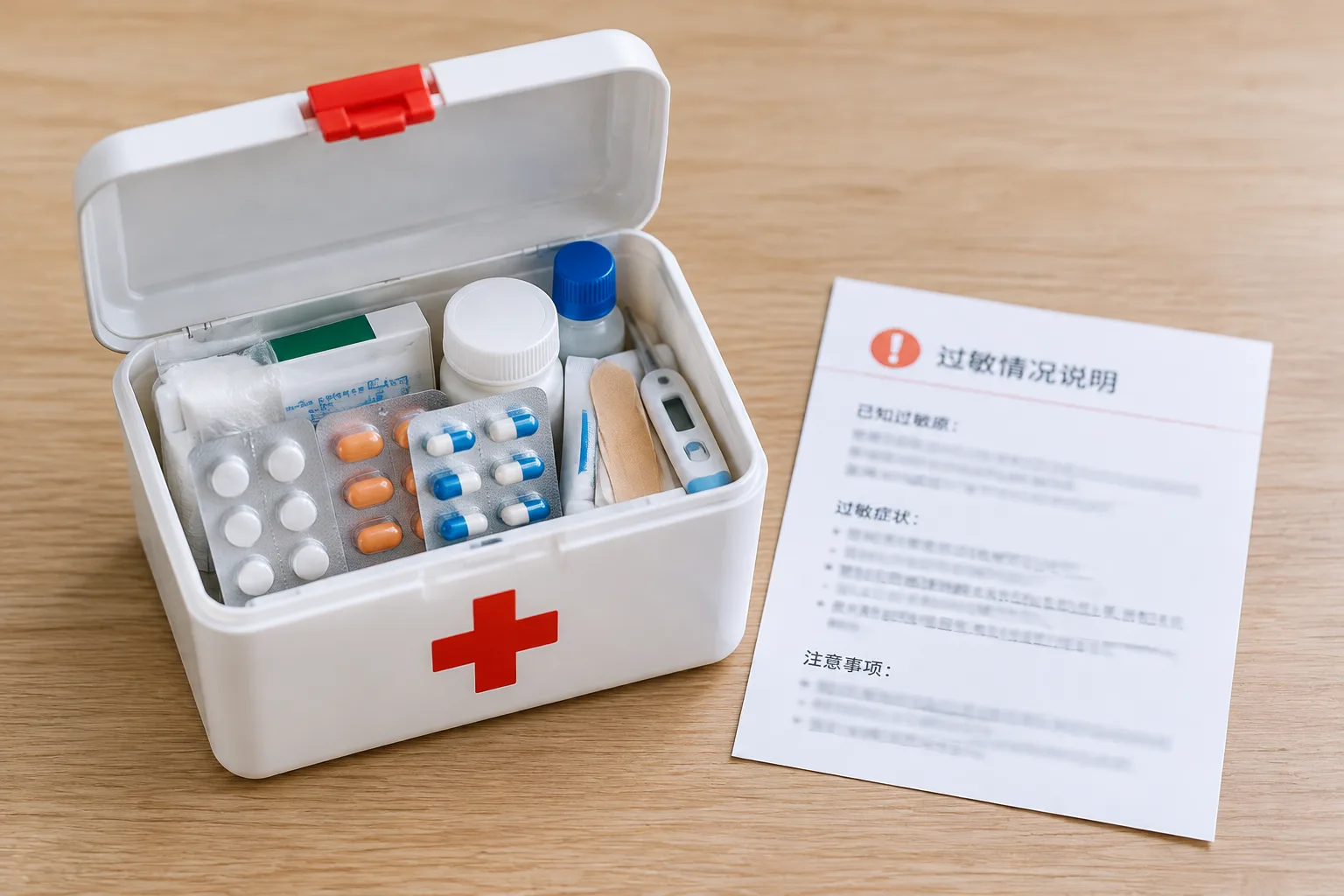
Bring the medications you are currently taking, and keep them in their original packaging.
Prepare a written description of any allergies you may have.
Verify whether your insurance covers the activities and altitudes involved in your itinerary.
Hotels or tour guides can assist in locating local medical resources, but they cannot serve as a substitute for emergency services or professional medical advice.
05
Common Travel Scams and How to Avoid Them
Unsolicited invitation from a stranger
Be wary if a stranger suddenly invites you to a teahouse, an art gallery, or a private tour, and insists that you accompany them immediately.
Do not hand over your mobile phone, passport, bank cards, or cash, even if the person appears "enthusiastic" or claims to be "pressed for time."
In such situations, you may politely decline and continue on your way to a public place.
Use only official channels
Use official ticket counters, reputable hotels, and licensed transport services.
Verify the amount and the recipient before making a payment via QR code.
Check the license plate number before getting into a vehicle.
Do not let strangers hold your identification documents or payment instruments.
06
Emergencies and Loss of Documents
Common Emergency Numbers
Common emergency numbers in mainland China:
110: Police
120: Medical Emergency/Ambulance
119: Fire Department
Language support and response times may vary by location. It is recommended to keep the address of your hotel in Chinese handy, and to ask a local resident, hotel front desk staff, or tour guide to help explain your location if needed.
For questions regarding entry into China, you may consult the current information provided by the National Immigration Administration’s 12367 service.
What should I do if I lose my passport?
If you lose your passport, you should report the loss to the police and contact your country’s embassy or consulate. It is advisable to keep secure copies of your passport’s information page, visas or entry records, insurance policies, and emergency contact information. When seeking assistance, do not post images of your passport on public platforms.
07
Itinerary Planning
Manjing Travel's planners can help you build a route with sensible transfer times, rest days and accommodation choices. We cannot provide emergency medical, police or consular services. Read arrival, hotels and immigration help before you leave.
Published 2026-10-27 by Manjing Travel.
Still have a question this did not answer?
A named planner replies within one working day. No call centre and no chatbot.
Ask a planner