
Festivals & seasonal
Best Time to Travel to China
Spring and autumn are China’s sweet spots, with mild weather and fewer crowds. Avoid Golden Week and Chinese New Year for the very best prices and calm.
Manjing Travel
Updated 2026-10-1512 min read

01
As the world’s third-largest country, China boasts a climatic range as vast as its territory. In the span of a single week, you could find yourself shivering beside ice sculptures in Harbin—in the far northeast, where temperatures drop to -20°C or lower—while simultaneously swimming in the tropical waters of Hainan Island in the far south, where temperatures stay above 22°C. Between these two extremes lie a variety of climatic zones—temperate, subtropical, and high-altitude—each defined by its own distinct monsoon patterns, precipitation levels, and ideal windows for travel.
Naturally, there is no single "best month" to travel in China—every destination has its own ideal time to visit. The key is to match your destination with the right season. Below, we break down the year month by month, so you’ll know exactly where to go, no matter when you decide to set off.
02
A Quick Look at China’s Four Seasons
Season | Month | Typical Temperature | Points to Note |
Spring | March–May | 10–25°C | Sandstorms in Beijing (March), crowds during the May Day holiday (May 1–5) |
Summer | June–August | 25–38°C | Hot and humid in the eastern and southern regions; typhoons along the coast; large crowds. |
Autumn | September–November | 10–25°C | National Day Golden Week (October 1–7) |
Winter | December–February | −20 to 10°C | Severe cold in the north and chaotic travel during the Spring Festival rush |
03
January — Ice and Snow in the North, Warm Sunshine in the South
National average: −4 to 6°C; little precipitation
Harbin: The International Ice and Snow Festival (late December to February) is one of the world’s most spectacular winter wonders—featuring massive ice palaces and entire villages carved from snow, with temperatures dropping to -20°C or even lower. It is a once-in-a-lifetime experience, perfect for adventurous travelers.
Changbai Mountain/Northeast China: A pristine world of ice and snow; ski enthusiasts can head to the Changbai Mountain International Ski Resort.
Beijing and Xi’an: Cold, yet dry and crisp—with significantly fewer tourists. Experience the Great Wall blanketed in snow, or visit the Terracotta Army with hardly anyone else around.
Escaping the cold: Hainan (Sanya) stays above 22°C; Kunming and Xishuangbanna enjoy spring-like weather. Guilin offers a mild climate, perfect for photography.
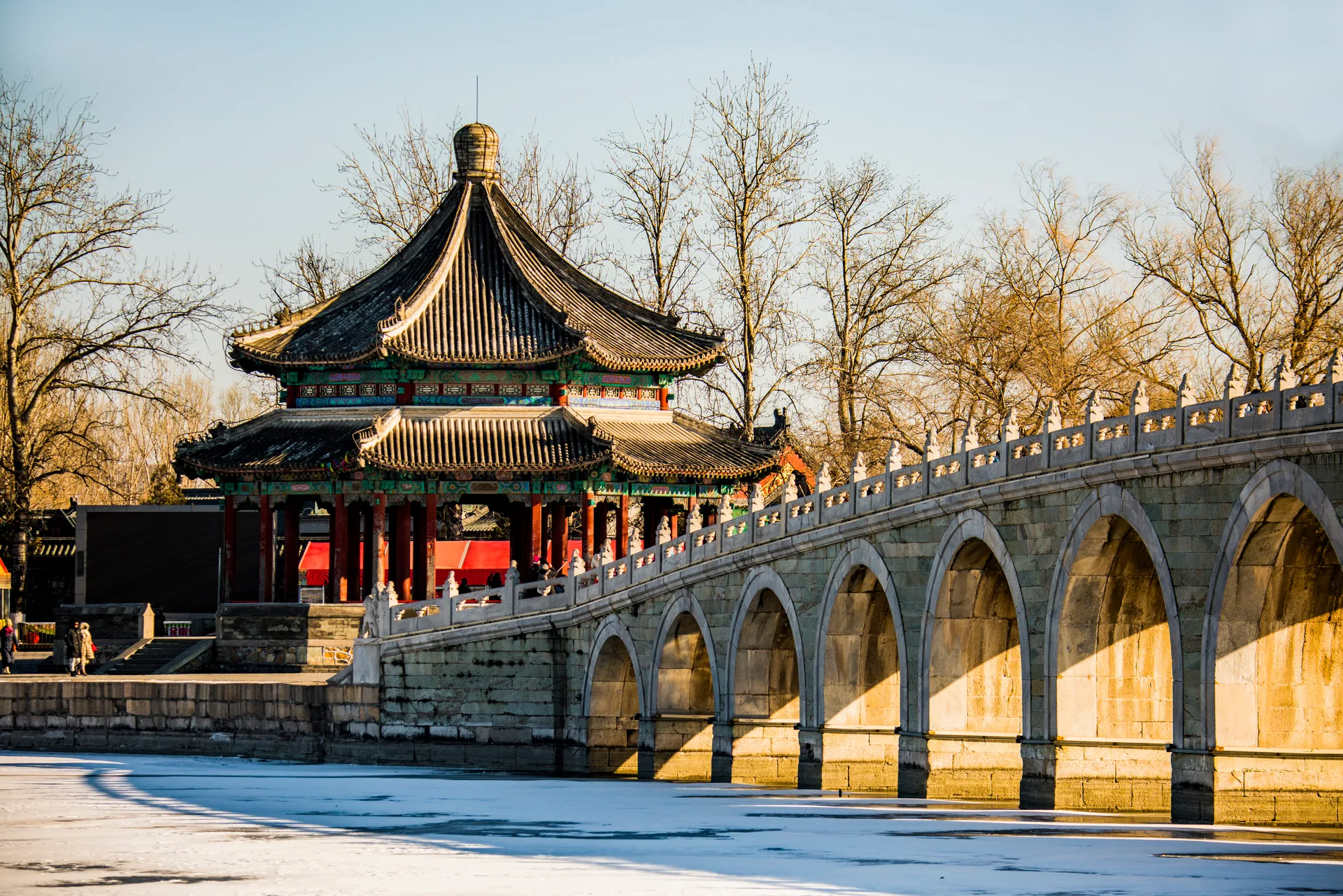
Note: If heading north, you’ll need cold-weather gear capable of handling temperatures down to -30°C; for the south, a thick coat will suffice. January is a very budget-friendly time to travel—both airfare and hotel rates are significantly lower than during the peak season.
04
February—Lunar New Year and the Warm South
National average: -2 to 8°C; little precipitation
Spring Festival: The largest human migration on Earth. With its lantern festivals, temple fairs, and spectacular fireworks, it is well worth experiencing—though be prepared for heavy traffic, price hikes, and the fact that many restaurants and shops may close for up to two weeks. If you plan to travel during this period, be sure to book months in advance.
Harbin: The Ice Festival continues until early February.
Southern China: Ideal destinations for escaping the winter cold include Yunnan (Lijiang, Dali), Guilin, Xishuangbanna (a tropical region with temperatures above 25°C), and the beaches of Hainan.
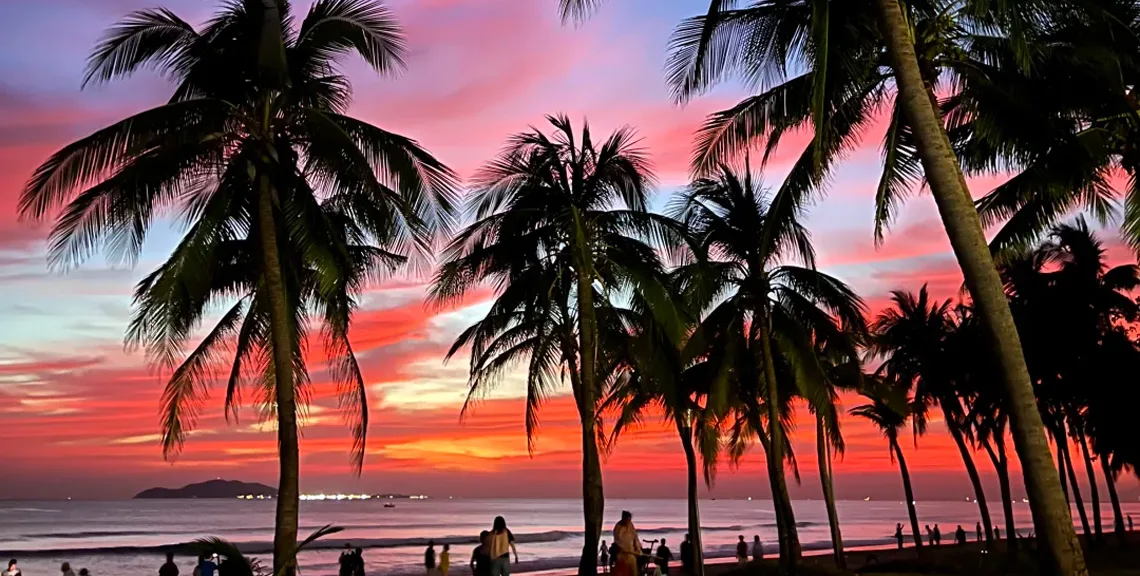
Tip: If you prefer fewer crowds and lower prices, consider traveling after the Spring Festival holiday has ended.
05
March—Springtime in Full Bloom Across the Yangtze River Basin
National average: 5–15°C; moderate precipitation
Spring has officially arrived in Central and South China.
Wuhan and Kunming: Cherry blossoms are in full bloom—on a scale that rivals Japan, yet with much more accessible prices and fewer crowds.
Wuyuan, Jiangxi: Golden rapeseed flower fields set amidst ancient Hui-style villages.
Gardens of the Jiangnan region: West Lake in Hangzhou, the classical gardens of Suzhou, and the plum and peach blossoms that bloom in succession in Nanjing.
Yunnan: Dali and Lijiang are bathed in soft spring light, while the flower fields of Luoping have reached their peak.
Chengdu and Sichuan: The basin is warming up, offering a pleasant climate.
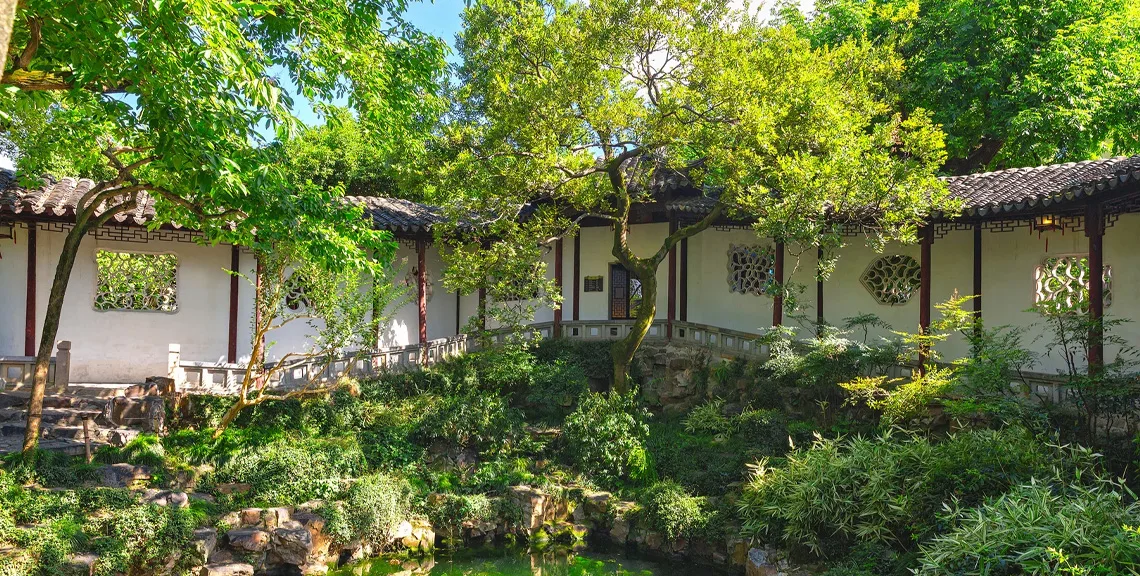
Note: Beijing may experience sandstorms in March; consider planning visits to indoor historical sites, or perhaps visit at a later time.
06
April—one of the best months of the year
National average: 10–22°C; moderate precipitation
Across most of China, temperatures are comfortable (15–22°C), gardens are in full bloom, flowers are beginning to open everywhere, and there are relatively fewer tourists. This is one of the best months for traveling in China.
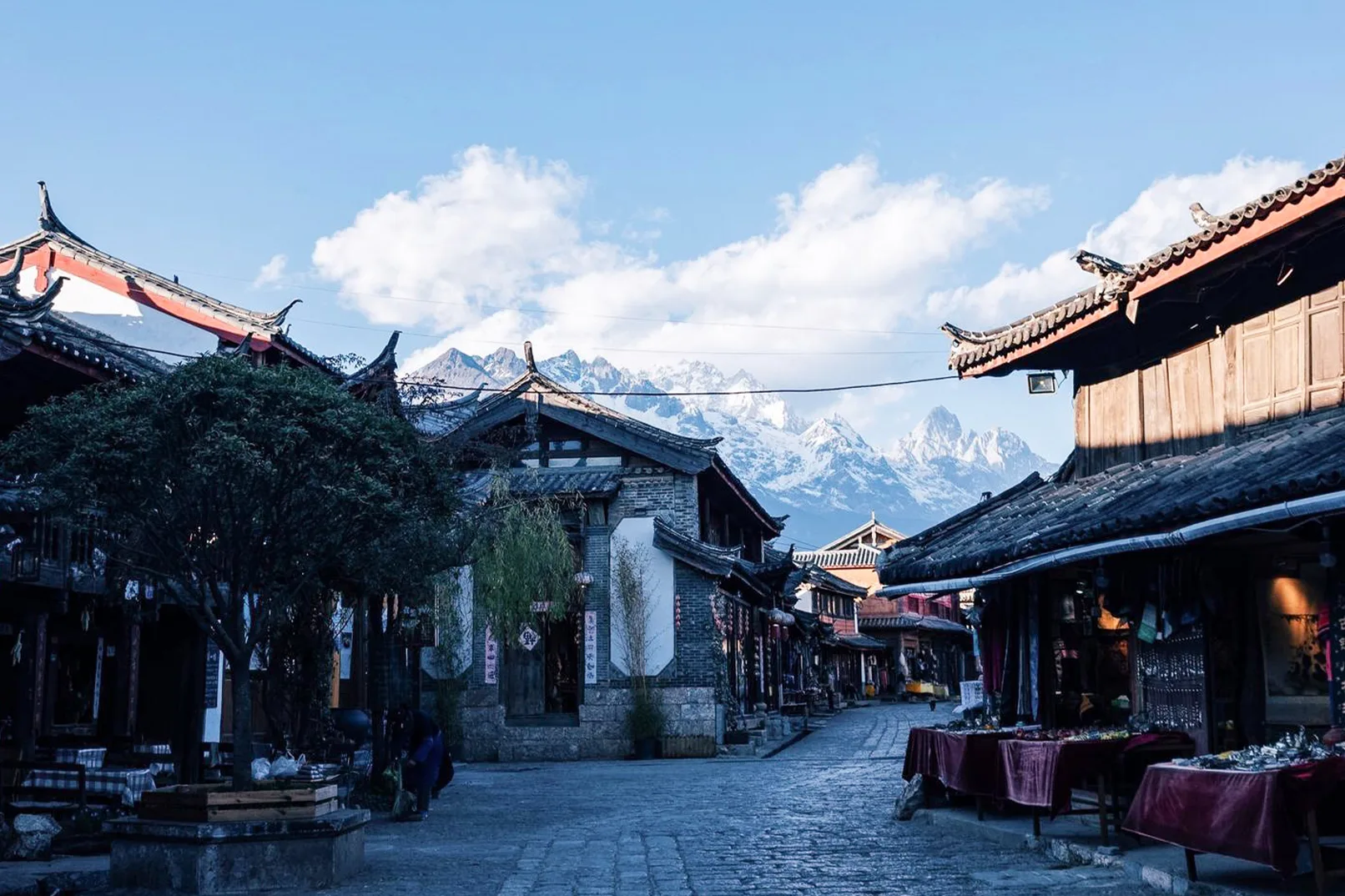
Yunnan: Lijiang, Dali, and Shangri-La (Napa Lake Meadow) are entering their most beautiful season.
Guilin and the Li River: The karst landscapes are wreathed in mist—perfect for a boat cruise along the Li River in Yangshuo.
Luoyang: Home to the renowned Peony Festival (celebrating China’s national flower).
Xi’an and Beijing: Enjoy mild, clear weather—ideal for visiting the Great Wall, the Forbidden City, and the Terracotta Army.
Huangshan (Yellow Mountain): Characterized by swirling mists and crisp, clear air. Meanwhile, the rapeseed flowers are in bloom around the historic villages of Xidi and Hongcun.
Nyingchi, Tibet: During this period, you can witness the stunning sight of peach blossoms set against a backdrop of snow-capped mountains.
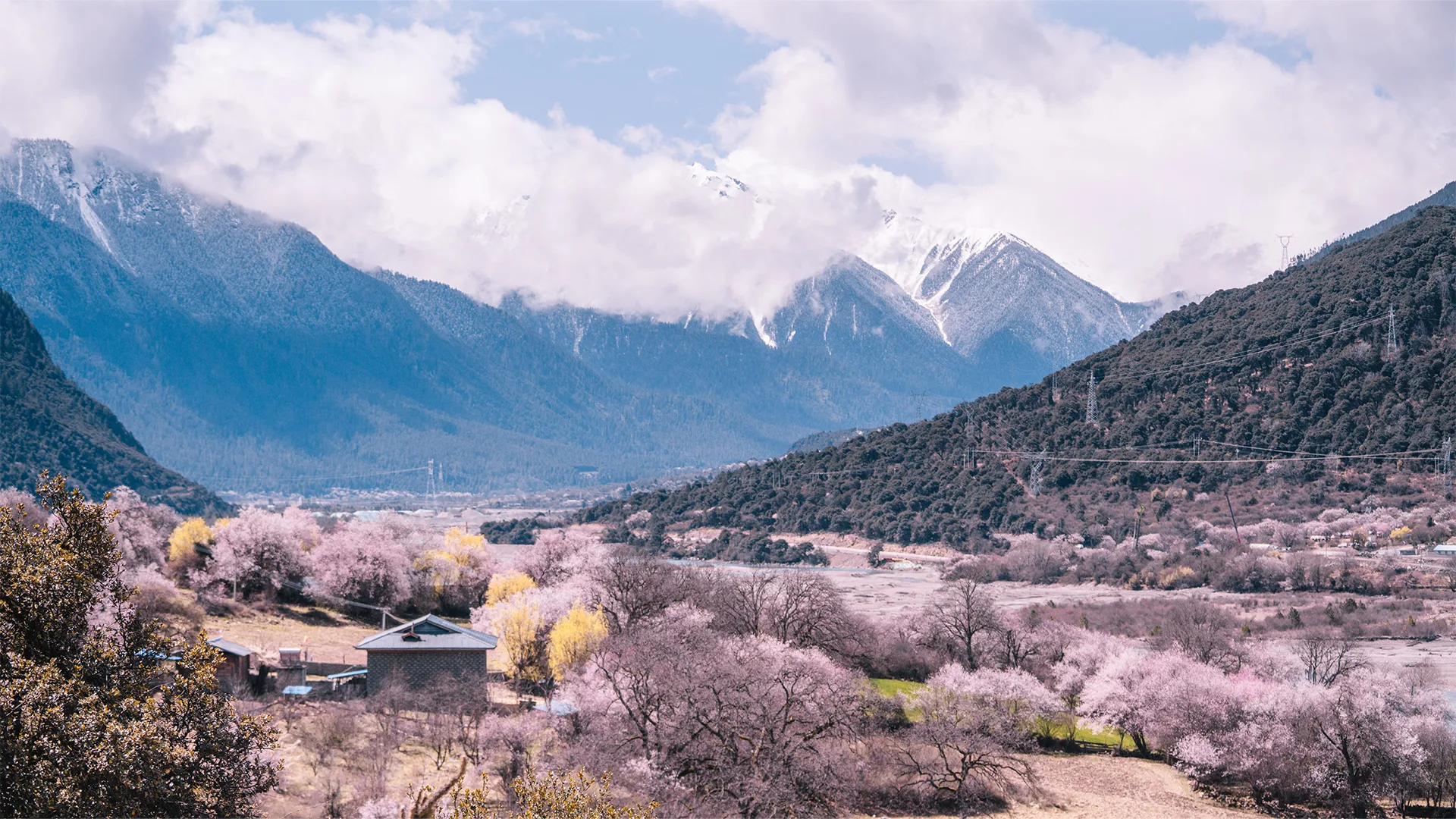
Note: The Qingming Festival holiday (in early April, lasting 3 days) brings a moderate surge in domestic tourism; traveling outside of that specific week remains quite peaceful.
07
May—the weather is superb; keep an eye on the May Day holiday.
National average: 15–28°C; moderate precipitation
Warm (20–28°C) and not yet hot and humid—perhaps the most comfortable month overall for sightseeing.
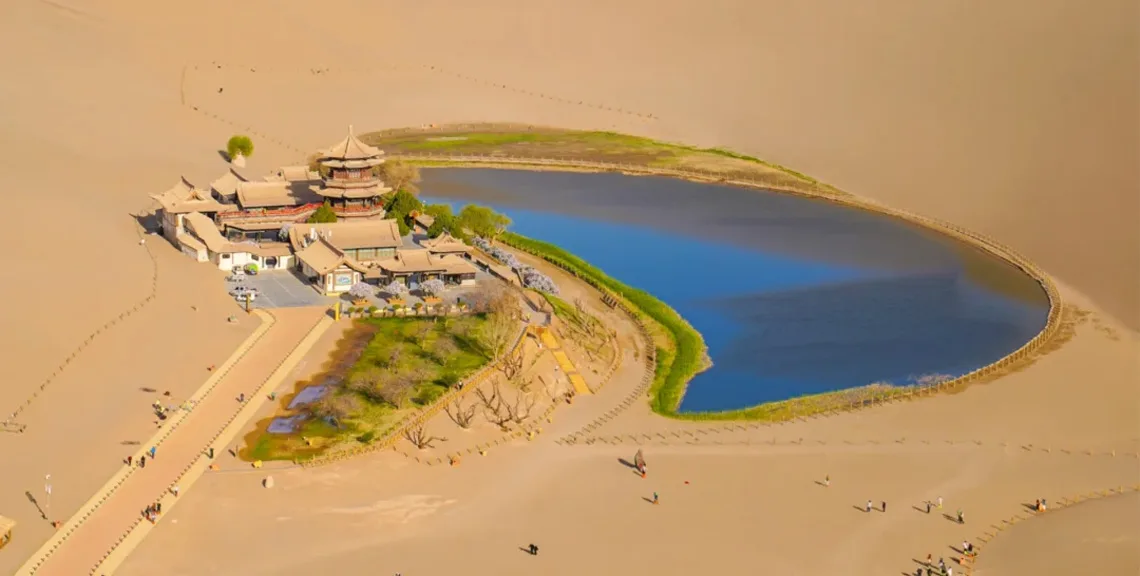
The Silk Road (Xi’an, Gansu, and Dunhuang—home to the Mogao Caves and Crescent Lake): Best experienced before the arrival of the intense summer heat.
Guilin and Yangshuo: An ideal time for bamboo rafting and enjoying the scenery along the Li River.
Yunnan: The rhododendrons in Shangri-La are in full bloom.
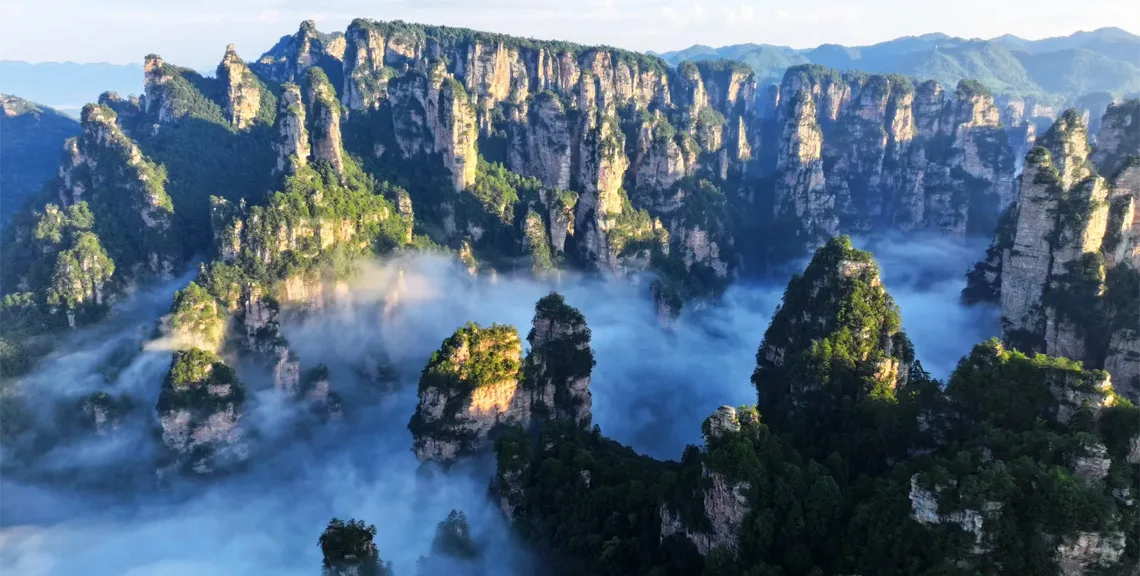
Zhangjiajie: Features forest-like peaks reminiscent of the landscapes in Avatar, now cool and lush with greenery.
Beijing and the Great Wall: Perfect weather for hiking.
Note: The May Day holiday (May 1–5) triggers a surge in domestic travel. If your trip coincides with this period, please book your train tickets and hotels at least one month in advance.
08
June—the rainy season in the east, the awakening of the highlands
National average: 20–33°C; relatively high precipitation
East China has entered the "plum rain" season—Shanghai, Hangzhou, and the entire Yangtze River Delta region are experiencing weeks of persistent rain and overcast skies. It is advisable to avoid these cities this month.
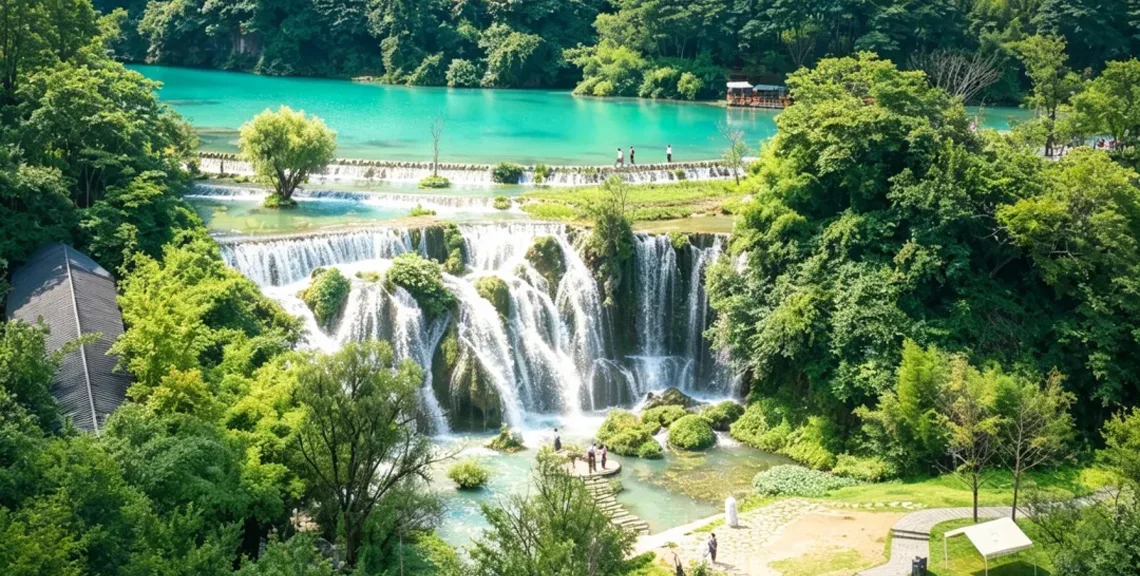
Guizhou: Lush, green, and shrouded in mist; the Huangguoshu Waterfall reaches its peak water volume for the year.
Zhangjiajie: A cool mountain retreat to escape the sweltering heat.
Yunnan Plateau: Lijiang, Dali, and Shangri-La remain pleasantly comfortable.
Tibet: The prime travel window opens (June–September is the only truly comfortable season for most visitors).
Inner Mongolia: The grasslands turn green and teem with vitality.
Qinghai: The lakes and the high plateau awaken.
Note: The Dragon Boat Festival (in June, spanning 3 days) will bring localized crowds to waterfront scenic areas.
09
July—A Stage for Plateaus and Grasslands
National average: 23–35°C; relatively high precipitation
Low-lying regions enter the sweltering heat of midsummer—in "furnace cities" like Chongqing, Wuhan, and Nanjing, temperatures can exceed 40°C. Meanwhile, the southeastern coast enters typhoon season.
This is a month that belongs to altitude and latitude: head for higher ground, or travel further north.
Tibet: A prime gateway to Lhasa, the Potala Palace, and the Mount Everest region.
Qinghai Lake: Golden rapeseed flower fields set against a backdrop of blue skies and clear, azure waters.
Inner Mongolia Grasslands: Endless expanses of green and cool, refreshing nights.
Zhangjiajie and Guizhou: Cool, mountainous landscapes.
Western Sichuan Plateau: Daocheng Yading, Huanglong, and Jiuzhaigou (vibrant with lush greenery in the height of summer).
Yunnan Plateau: A comfortable escape, remaining pleasant even when much of the country is sweltering.
Tip: Avoid the tropical south and "furnace cities" (cities prone to extreme heat) this month; the coastal region from Guangdong to Zhejiang may be affected by typhoons.
10
August—Peak Season for Summer Escapes
National average: 22–34°C • Abundant rainfall
Still hot and rainy, with peak tourist season due to school holidays. Typhoon season continues along the southeast coast.
Tibet: Remains stable and pleasant.
Qinghai-Gansu Silk Road: Qinghai Lake, the colorful Danxia landforms in Zhangye, and Dunhuang (hot during the day, but the golden desert is spectacular).
Sichuan: Jiuzhaigou, Huanglong, and Daocheng Yading are at their absolute best in midsummer.
Guizhou and Zhangjiajie: Cool and refreshing, perfect for escaping the heat.
Yunnan: The high-altitude regions remain comfortable.
A quick tip: hold off on those tropical beach trips for now—this month is the perfect time to visit mountainous regions, high plateaus, and the northwest.
11
September—Autumn begins to set in; the best season arrives.
National average: 17–28°C; moderate precipitation.
Temperatures return to a comfortable range, humidity drops, and the first signs of autumn colors appear. This is one of the best months for traveling in China.
Beijing: Early autumn hues at the Summer Palace and the Great Wall.
Guilin: Mist and golden light amidst the karst landscape.
The Silk Road (Gansu & Qinghai): Crisp air and golden-hued deserts—the perfect time to traverse the entire route.
Jiuzhaigou: Beginning its transition toward the October peak.
Daocheng Yading: Clear, expansive skies above snow-capped peaks, set against a backdrop of layered, colorful forests.
Xi’an, Chengdu, and Sichuan: A comfortable and highly rewarding experience.
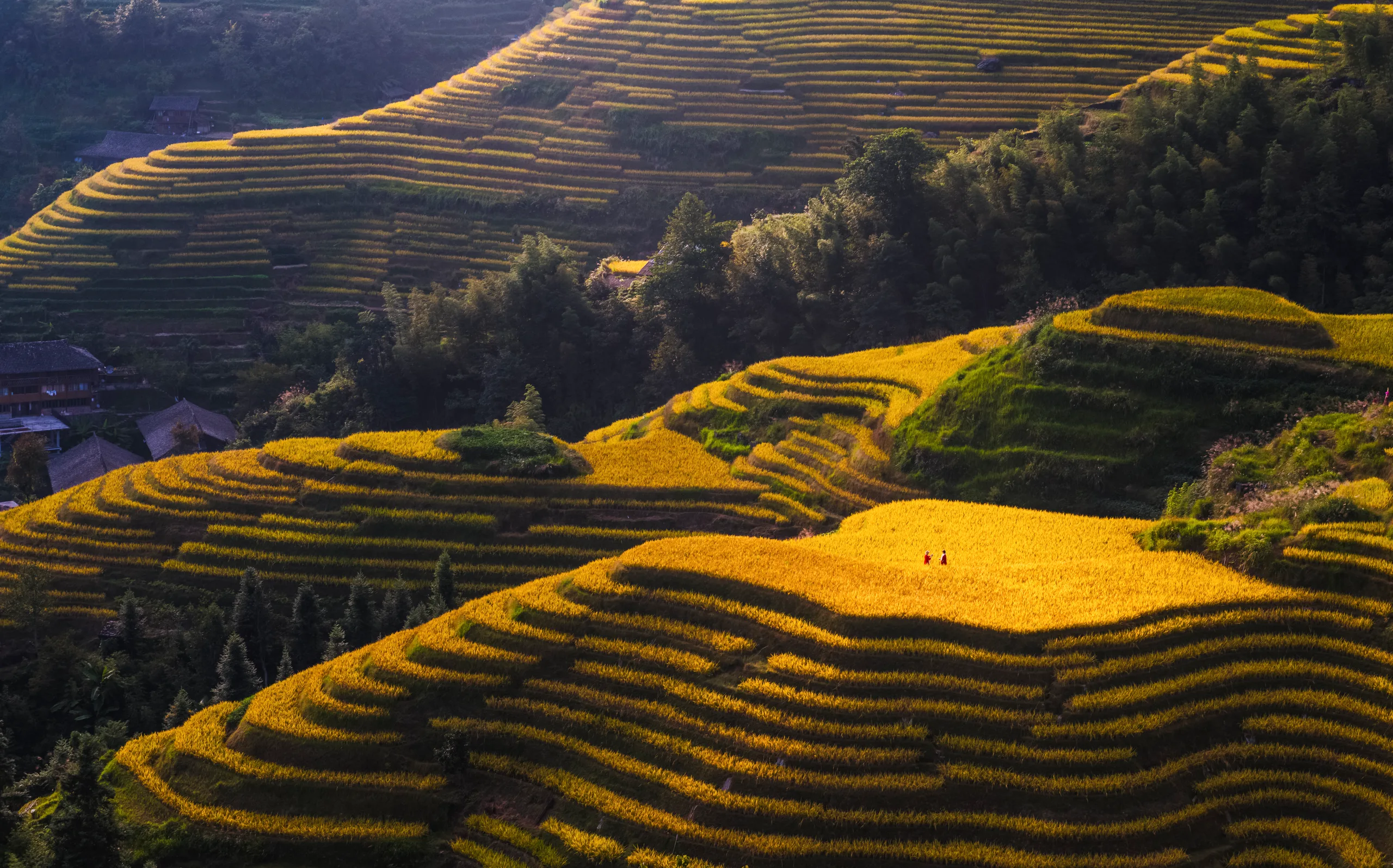
Tip: If you travel three weeks before National Day, tourist attractions will be almost completely empty.
12
October—The Most Beautiful and Busiest Month
National Average: 10–22°C; Low Precipitation
With crisp, clear air and blue skies dotted with white clouds, autumn foliage across the country reaches its peak. This is arguably the most scenic month in China.
Jiuzhaigou: A legendary highlight—forests in shades of red, orange, and yellow reflected in azure-blue lakes (best visited in mid-to-late October).
Beijing: Ginkgo-lined avenues, the Temple of Heaven, and the Great Wall set against an autumnal backdrop.
Western Sichuan Plateau: The fiery, vibrant autumn colors of Daocheng Yading and Huanglong.
Guilin and Yangshuo: Golden terraced rice fields and the mirror-like waters of the Li River.
The Silk Road: Magnificent desert and mountain landscapes.
Yunnan: The beauty of Dali and Shangri-La under clear autumn skies.
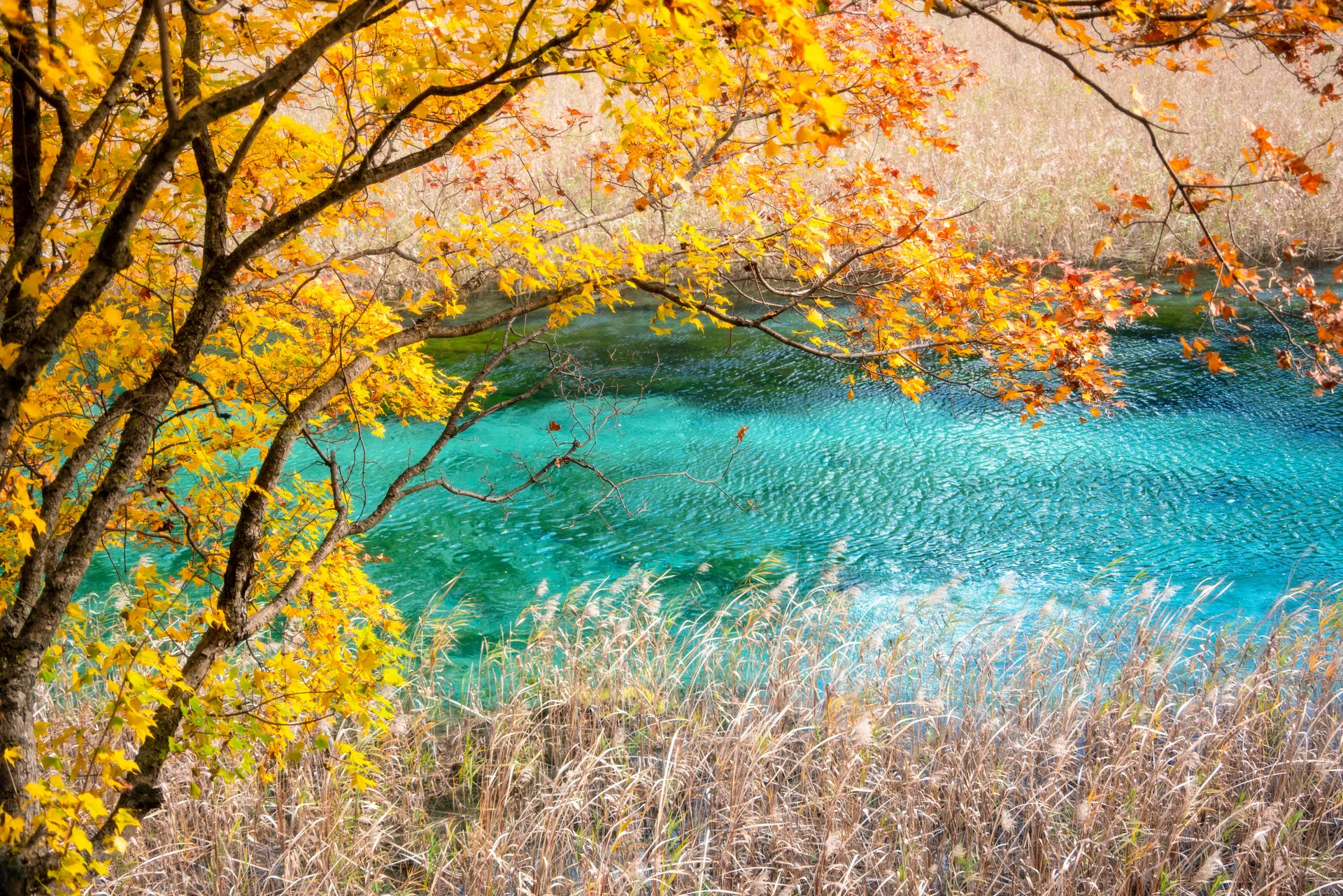
A Note of Caution: The National Day "Golden Week" (October 1–7) sees approximately 800 million domestic trips, with crowds flooding major tourist attractions. Unless absolutely necessary, it is best to avoid this week. Consider traveling during the second half of October—you’ll enjoy the same weather, but with only half the crowds.
13
November—Late Autumn: Head South
National average: 3–15°C; low precipitation.
As the north turns cold, the south remains mild and pleasant—making this an excellent month for budget-friendly travel.
Guilin and Yangshuo: Still perfect, and delightfully uncrowded.
Yunnan: Dali, Lijiang, and tropical Xishuangbanna are warm and dry.
Guizhou: Mild, with soft, autumnal light.
Jiuzhaigou: In early November, you can still catch the tail end of the autumn foliage.
Sichuan: Southern Sichuan and Chengdu remain comfortable.
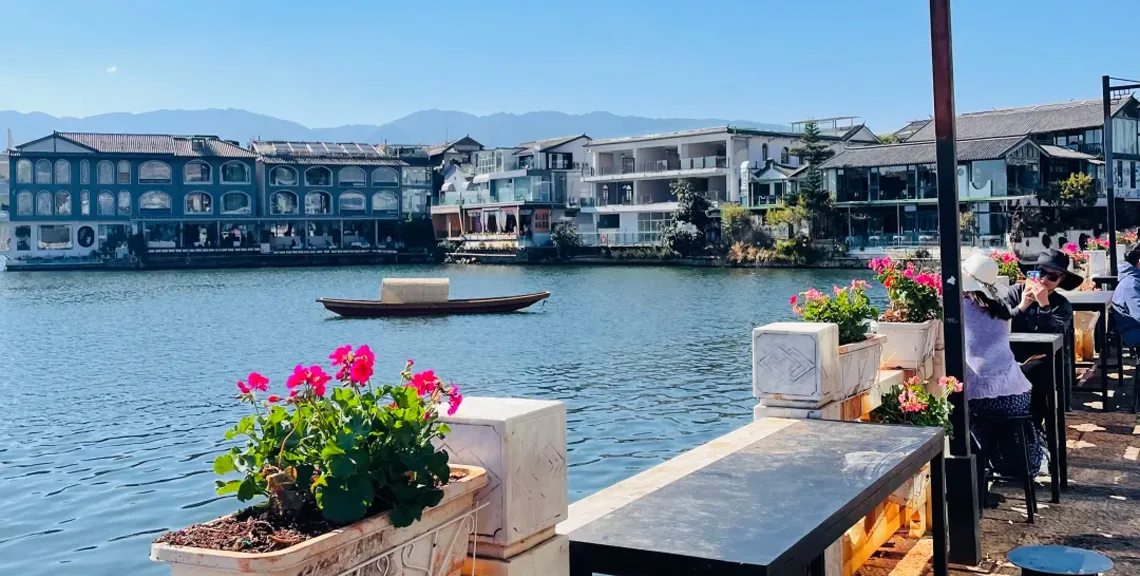
Tip: November is one of the most affordable months to travel—hotel rates can be 30%–50% lower than during peak season, and popular attractions are virtually empty.
14
December — Snowy Wonders and Sunny Coastal Escapes
National Average: -5 to 8°C | Low Precipitation
The north enters the heart of winter, while the south remains pleasantly mild.
Hainan (Sanya): Beach weather with temperatures above 22°C—a classic destination to escape the cold.
Southern China: Guilin, Guangzhou, Xiamen, and Yunnan remain excellent for sightseeing.
Harbin: The Ice and Snow Festival begins in late December.
Beijing & Xi’an: Cold, yet full of atmosphere; you can explore the Terracotta Army and the Forbidden City with far fewer crowds.
Changbai Mountain: Home to China’s best ski resorts.
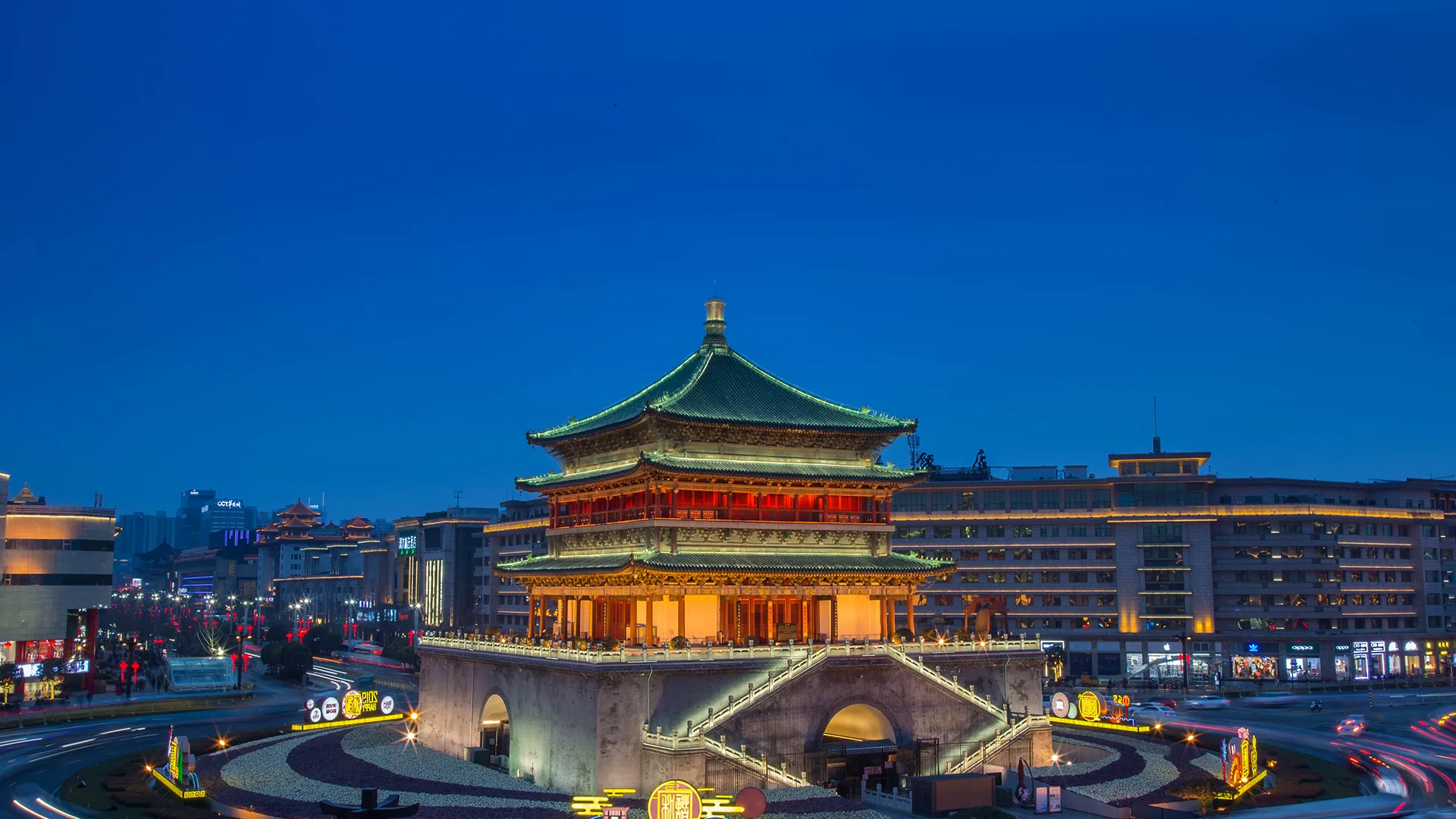
Tip: December is a great time for budget-friendly travel—prices are lower, crowds are thinner, and the Christmas and New Year season adds a touch of festive cheer.
15
Choose a month based on your travel style
Travel Style | Best Months | Top Destinations |
First-Time Classic (Beijing – Xi’an – Shanghai) | April–May, September–November | Beijing, Xi’an, Shanghai |
Natural Scenery and Photography | April–June, September–October | Jiuzhaigou (October), Guilin (April/November), Zhangjiajie, Daocheng Yading |
The Silk Road and the Northwest | May–June, September–October | Xi'an, Dunhuang, Gansu, Qinghai |
Highlands and Grasslands | June–September | Tibet, Qinghai, Daocheng Yading |
Ethnic Customs and Yunnan | Year-round (excluding the rainy season in the west from June to August) | Dali, Lijiang, Shangri-La, Xishuangbanna |
Spectacular Ice and Snow | January–February | Harbin, Changbai Mountain |
Beach Getaways for a Warm Winter Escape | December–February | Hainan, Xishuangbanna |
Budget-Friendly Travel | November through February of the following year (excluding the Spring Festival), March | Prices 30%–50% lower than elsewhere |
16
Practical Planning Tips
Avoid the "Golden Weeks" and major Chinese holidays
Periods such as National Day (October 1–7), the Lunar New Year (late January/February), and Labor Day (May 1–5) represent some of the most intense travel peaks globally.
Book ahead for peak seasons
Train tickets, domestic flights, and hotels sell out quickly during the spring and autumn.
Pack by region, not just for "China"
In the north, winter requires gear capable of handling temperatures as low as -30°C, while the south may only call for a light jacket; for spring and autumn, use a layered approach to clothing.
Head to higher altitudes or the north in summer
Mountainous regions, high plateaus, and the far north offer an escape from the sweltering summer heat.
For a truly private, bespoke experience
Manjing Travel can craft a personalized itinerary tailored to your preferred season—from the ice sculptures of Harbin in January to the autumn foliage of Jiuzhaigou in October—complete with a dedicated guide, comfortable transportation, and carefully curated hotels.
Planning a trip to China? Get in touch with Manjing Travel—we specialize in private and small-group tours across China and will help you find the perfect season and itinerary for your journey.
Updated 2026-10-15 by Manjing Travel.
Still have a question this did not answer?
A named planner replies within one working day. No call centre and no chatbot.
Ask a planner