Festivals & seasonal
When is the best time to visit Beijing? A seasonal guide
When to visit Beijing: autumn skies and spring blossoms, summer downpours and cold winters, plus which months are cheapest and which sights need booking ahead.
Manjing Travel
Published 13 min read
01
Beijing is a city with four distinct seasons, each dressing it in a different palette of colors. Your travel experience will depend largely on when you choose to visit—picking the right time of year can mean more comfortable weather, smaller crowds, and better value for your money. This chapter will help you understand the rhythm of Beijing’s climate, enabling you to make the choice that best suits your needs.
02
Best Time to Visit: The Golden Window for Climate and Experience
Spring (April to May) and autumn (September to October) are widely considered the best times to visit Beijing.
April–May: Temperatures rise to 15–25°C, and flowers begin to bloom in parks and gardens—an ideal time for visiting historical sites and enjoying spring blossoms (such as the peach blossoms along the West Causeway of the Summer Palace or the area around the White Pagoda in Beihai Park).
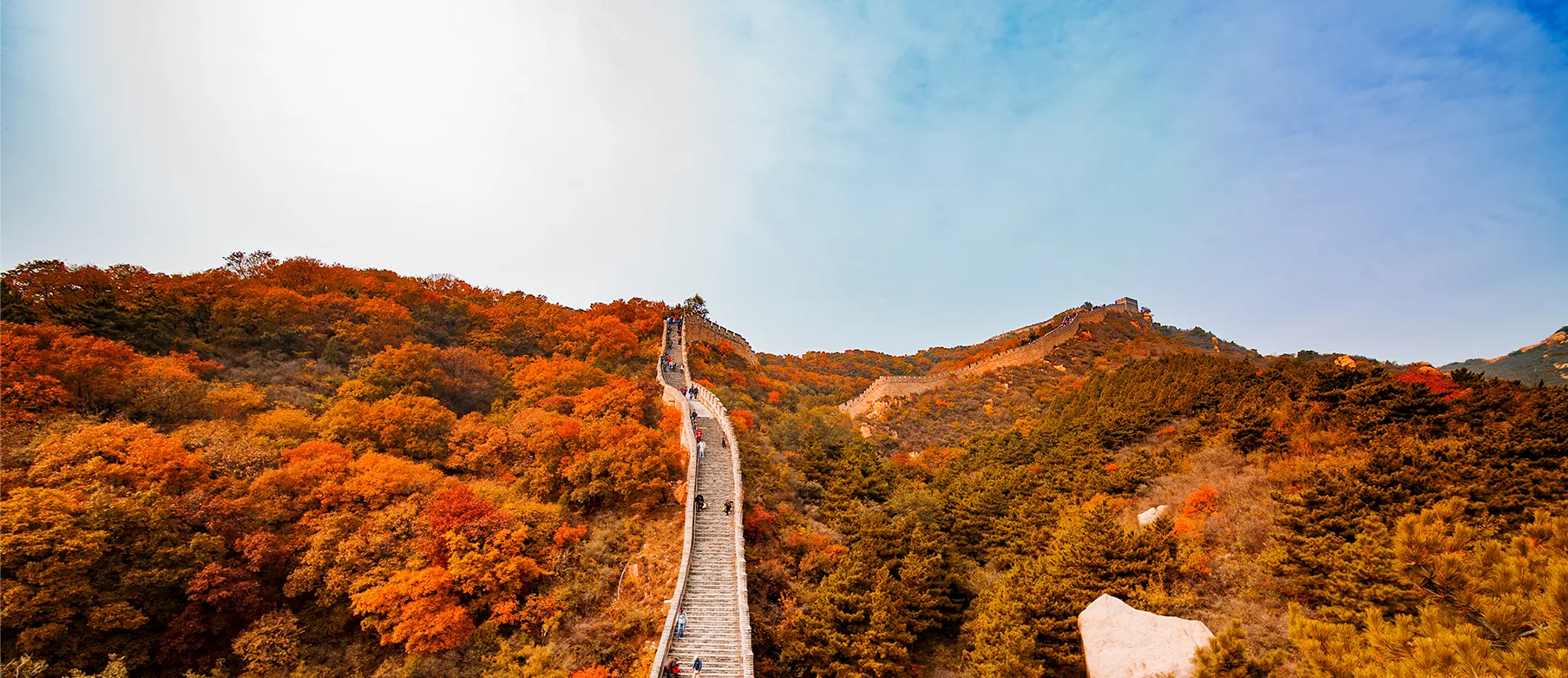
September–October: The weather is cool and comfortable (approximately 12–25°C) with clear, expansive skies—the season famously known as "Beijing’s golden autumn"—making it an excellent time for hiking the Great Wall.
During both of these periods, the conditions are perfect for exploring historical landmarks or cycling through the city’s traditional hutongs.
Looking to save money and avoid hassle? Consider the shoulder seasons—March or December—when there are fewer tourists, accommodation prices are more favorable, and the overall experience remains excellent.
03
Times Requiring Careful Planning: When Weather and Crowds Become Challenges
High summer (July to mid-August)
Beijing’s weather is hot and humid, with temperatures frequently exceeding 30°C. As this coincides with the summer vacation for Chinese students, tourist attractions are often crowded. Sites like the Great Wall, which are completely exposed to the sun, become particularly sweltering around midday.
Strategy: Schedule outdoor activities for early morning or evening; during the day, opt for indoor venues (such as the China Science and Technology Museum, the National Museum of China, or the Capital Museum). Taking a boat ride at the Summer Palace or Shichahai, or enjoying an evening visit to Gubei Water Town, are also great ways to beat the heat.
Tips: Carry water, sunscreen, and a sun hat with you, and wear breathable clothing.Labor Day (May 1–5) and National Day (October 1–7) are "golden week" holidays for tourism in China; be sure to keep this in mind when planning your trip.
Deep winter (December to February)
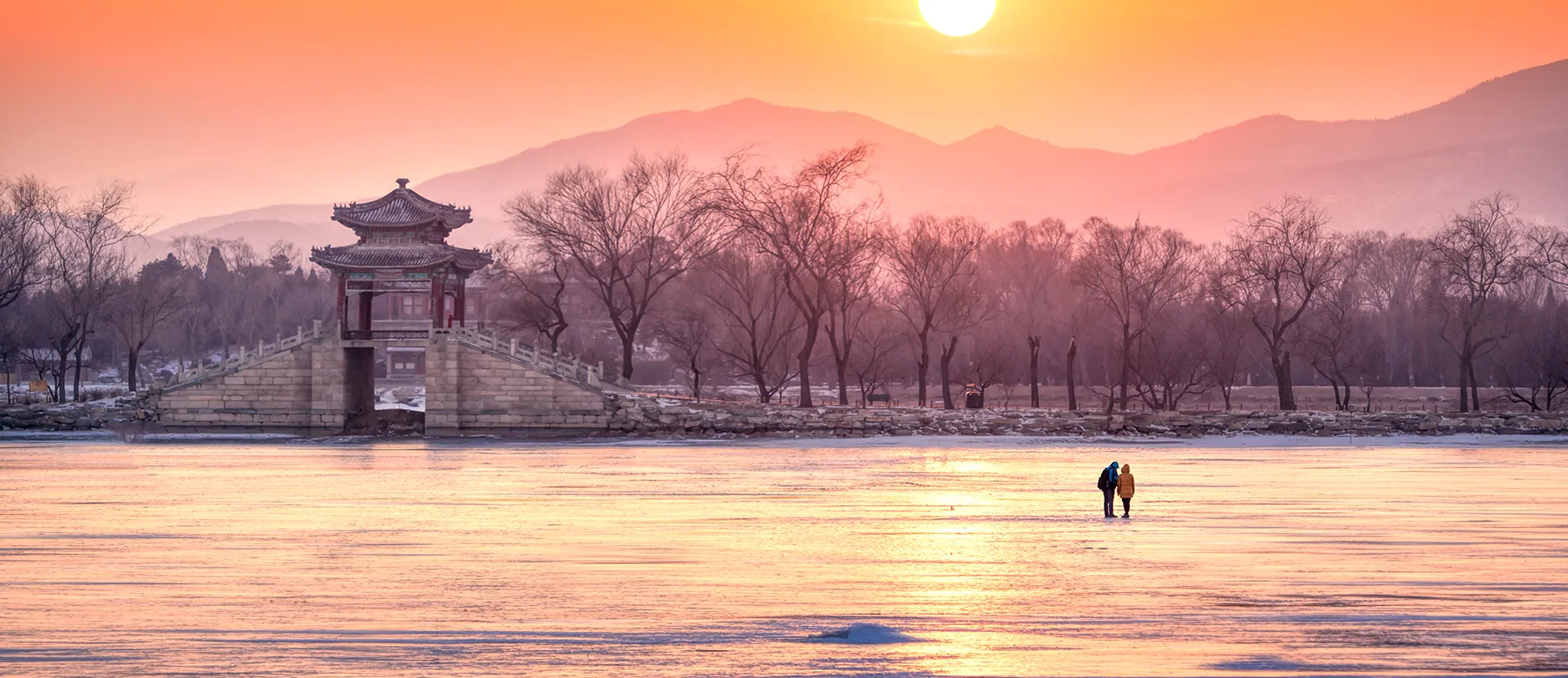
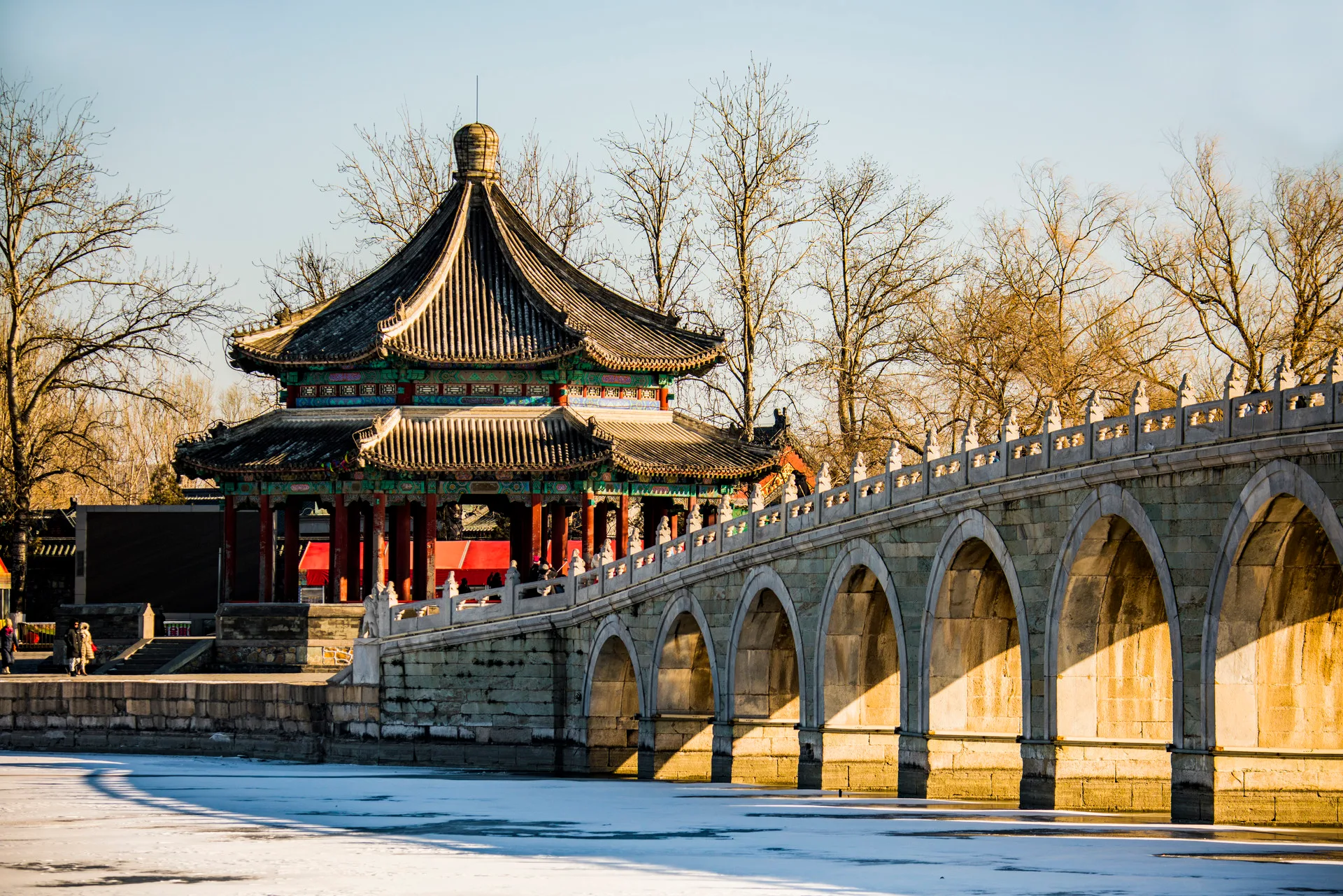
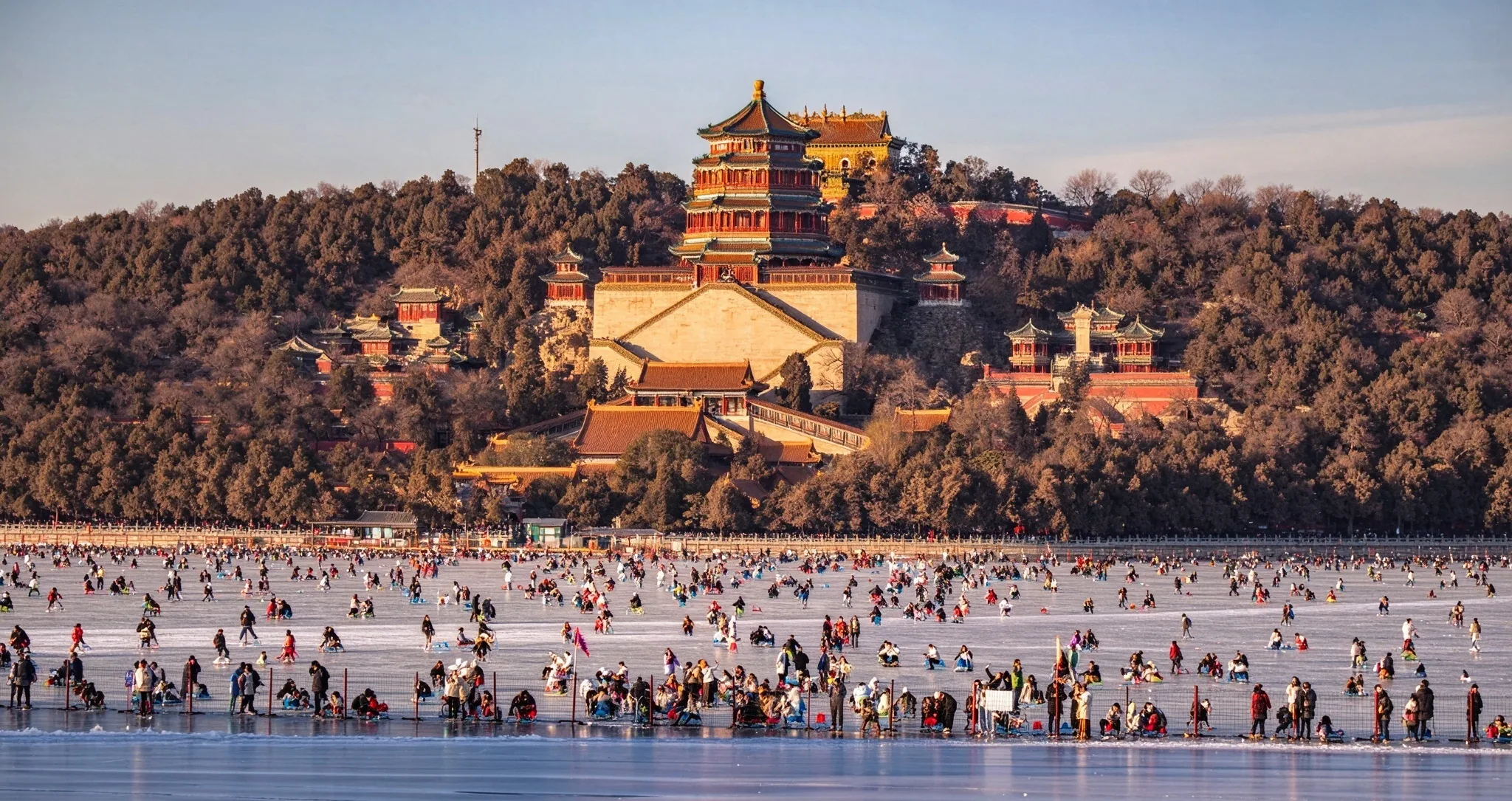
The weather is extremely cold and dry, with temperatures often dropping below freezing, accompanied by biting northerly winds—conditions that make outdoor activities quite challenging. However, there are fewer crowds and more favorable prices; the Forbidden City and the Temple of Heaven take on a unique charm when blanketed in snow. Other seasonal highlights include ice skating on the frozen lakes of the Summer Palace, the ice lantern displays at Longqing Gorge, and skiing at Nanshan Ski Resort.
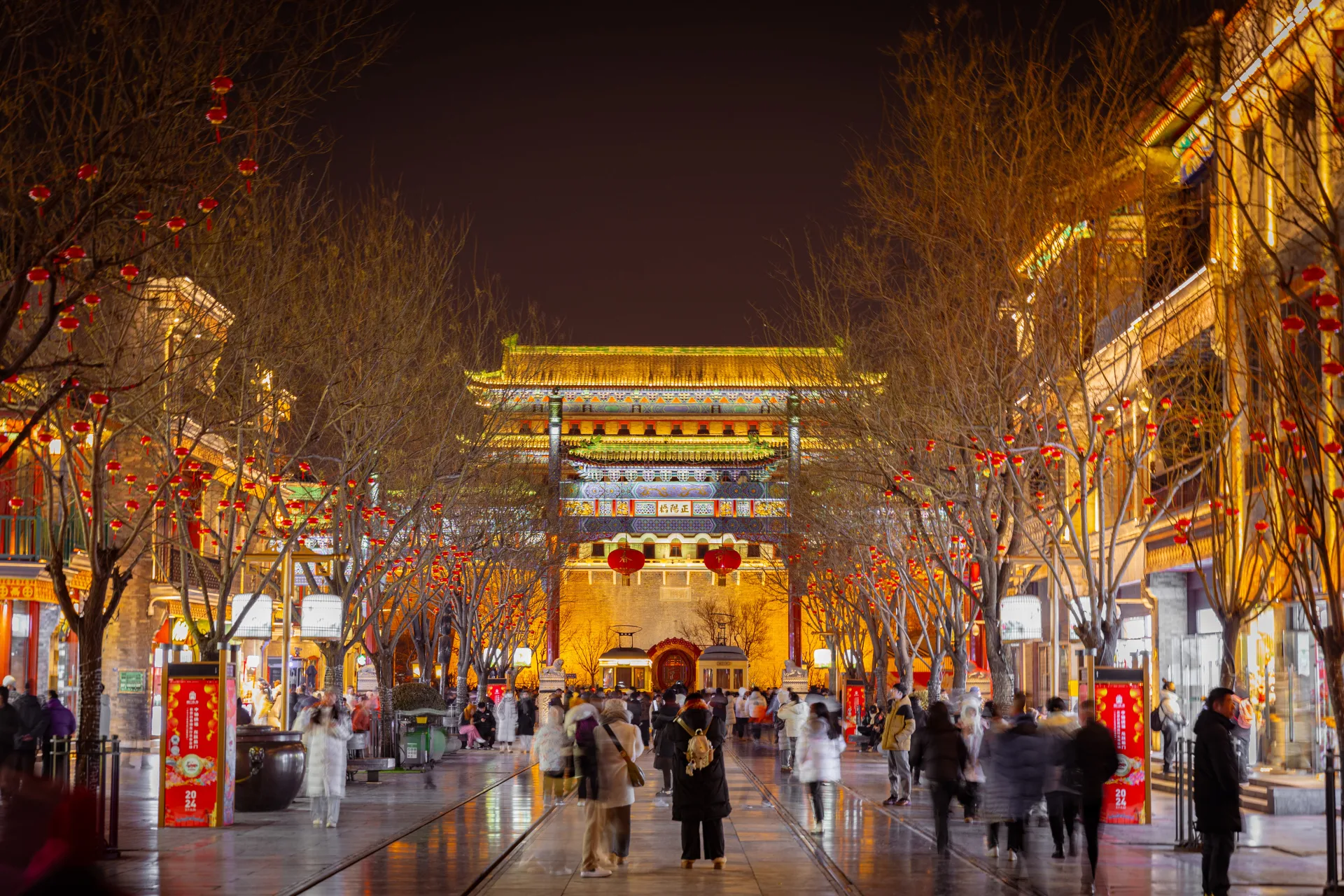
The Spring Festival is the most important holiday of the winter season: you can visit temple fairs at Ditan or Longtan Lake, watch dragon and lion dances, and sample festive snacks—all amidst a vibrant holiday atmosphere—though be prepared for heavy crowds.
04
How to enjoy the four seasons in Beijing
Beijing experiences four distinct seasons, each offering its own unique activities and scenery. For first-time international visitors, choosing the right seasonal experiences—rather than simply rushing to visit as many tourist attractions as possible—is often the best way to truly appreciate the city’s charm.
Spring (March–May): Seas of flowers, ancient towns, and outings in nature
Spring is the most vibrant season in Beijing. In March, temperatures range from approximately 5°C to 15°C, with a lingering chill; by April and May, they rise to between 15°C and 25°C, as vegetation and blossoms emerge in succession—making this the prime time for exploring historical sites and enjoying the outdoors.
Flower-Viewing Calendar
Mid-to-late March: Cherry blossoms at Yuyuantan Park—Beijing’s most renowned spot for cherry blossom viewing, where thousands of trees bloom along the lake; visitors can also enjoy the blossoms while boating.
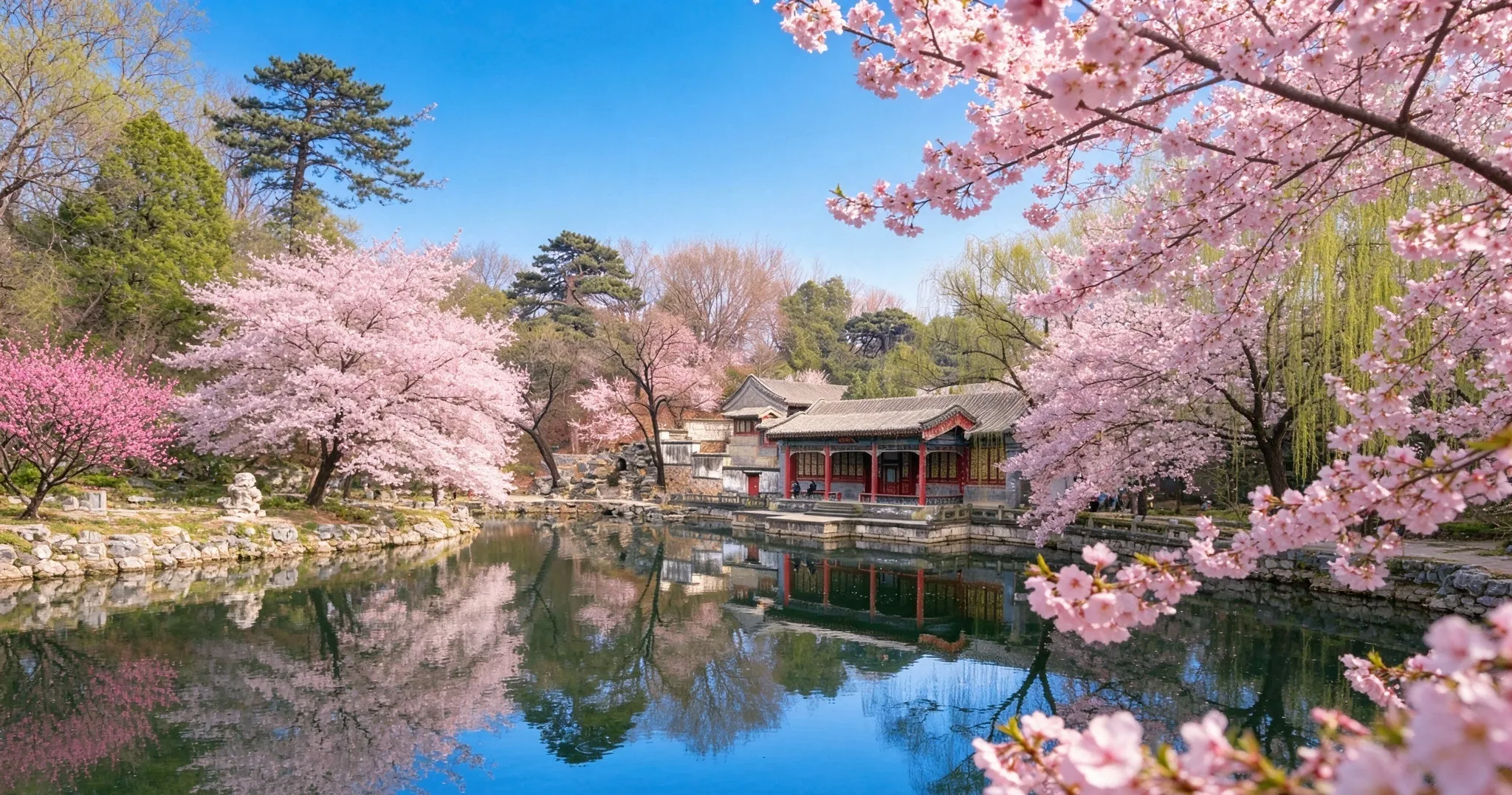
Late March to early April: Peach blossoms along the West Causeway (Xiti) of the Summer Palace—modeled after the Su Causeway in Hangzhou, this area features peach and willow trees lining the banks, offering a quintessential "Jiangnan-style" scene in Beijing.
April: Begonias at the Site of the Yuan Dynasty City Wall Relics Park—the "Begonia Flower Stream" stretches for several kilometers; the park is free to enter, uncrowded, and exceptionally beautiful.
April: Tulips at Zhongshan Park—located right next to Tiananmen and the Forbidden City, this spot allows for photos that capture both a sea of flowers and imperial architecture in a single frame.
April–May: Peonies at Jingshan Park and the Forbidden City—Jingshan’s peony garden boasts a wide variety of blooms that last for about two weeks, set against the backdrop of the Wanchun Pavilion, which offers a panoramic view overlooking the Forbidden City.
Classic Experiences
Great Wall Excursions: At Badaling and Mutianyu, the weather is pleasant and the Great Wall is adorned with wild peach blossoms—making this one of the best times of year for a hike along the wall.
Strolls Through Imperial Gardens: Explore the Summer Palace, Beihai Park (with its iconic White Pagoda), or the Temple of Heaven, where spring scenery complements the historic architecture.
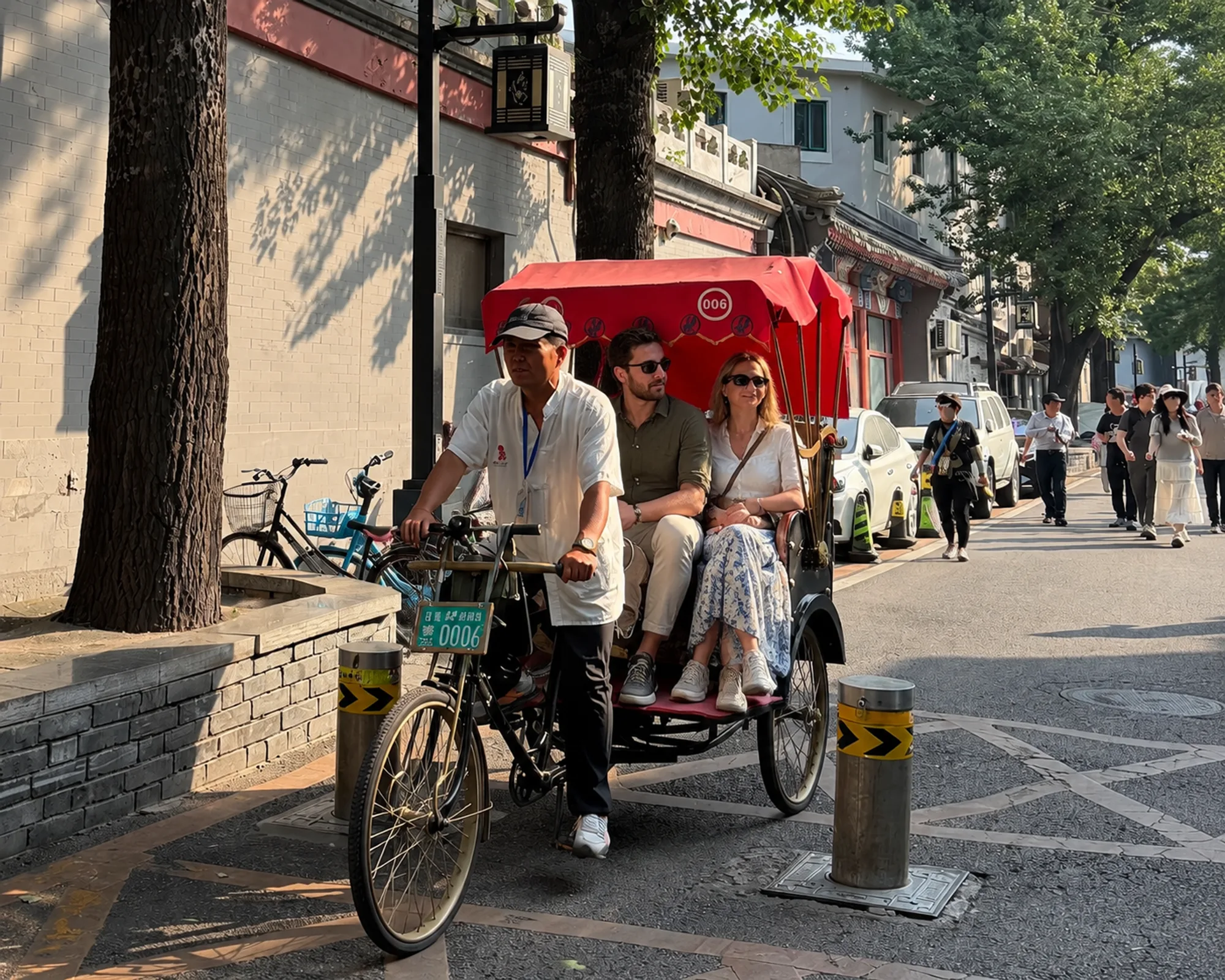
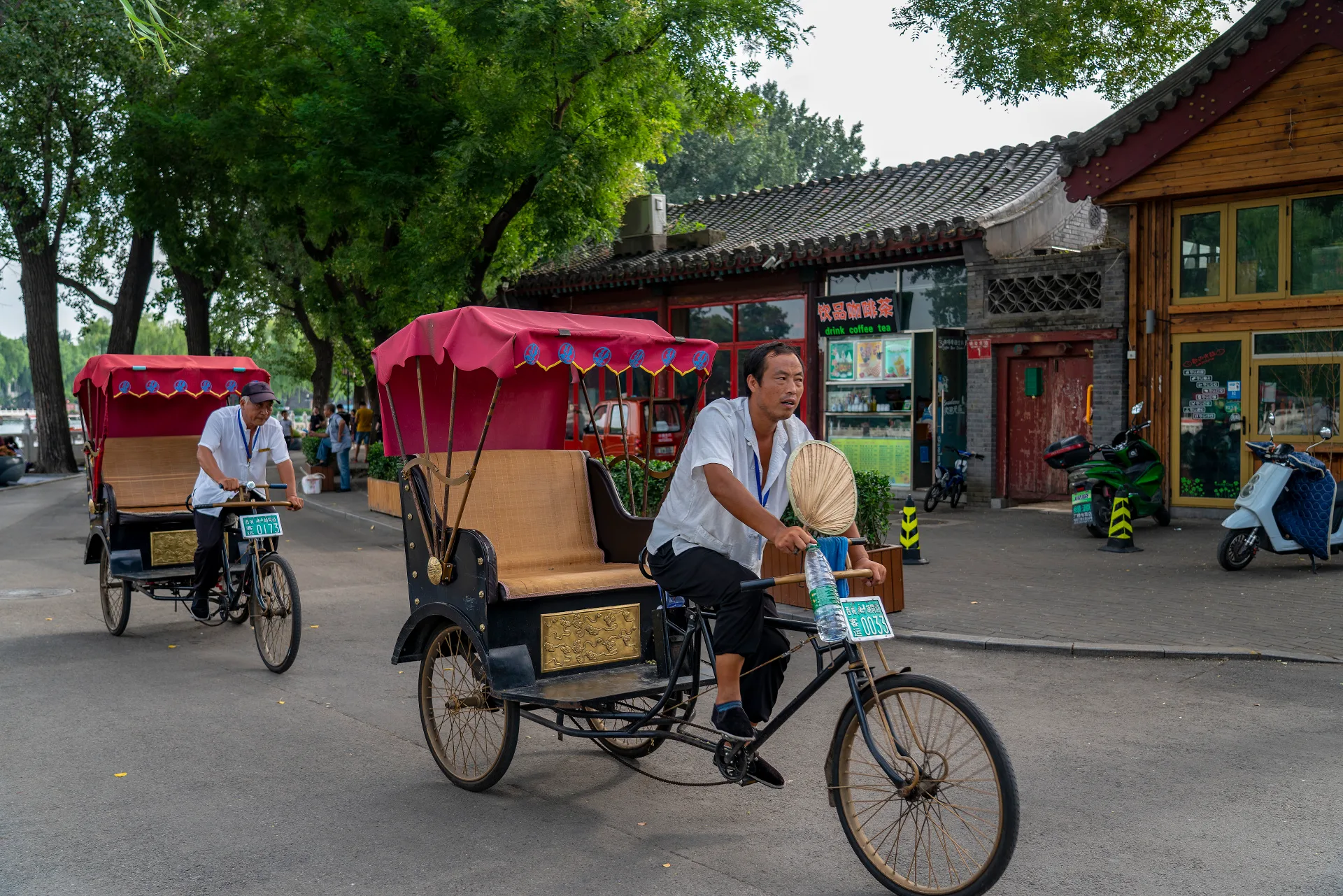
Cycling Through the Hutongs: Take a leisurely bike ride through areas like Nanluoguxiang, Wudaoying Hutong, or Shichahai to experience the vibrant, everyday charm of old Beijing in the spring.
Family-Friendly Outings: Beijing Zoo, the Beijing Botanical Garden, and Universal Studios are excellent choices for those traveling with children.
Summer (June–August): Escaping the Heat, Nighttime Excursions, and Indoor Cultural Activities
Beijing in the summer is hot and humid, with temperatures typically ranging from 22°C to 32°C—sometimes exceeding 35°C during heatwaves. Afternoon thunderstorms are common, and with the season coinciding with the summer break for Chinese students, tourist attractions tend to be very crowded. The best strategy is to plan outdoor activities for the early morning or evening, while staying indoors during the day.
Summer Escapes and Water-Based Leisure
Boating on Kunming Lake, Summer Palace: With its expansive waters and refreshing breezes—offering distant views of the Tower of Buddhist Incense (Foxiang Ge)—this is a classic way to beat the summer heat.
Boating at Shichahai: In the areas around Houhai and Jishuitan, lotus flowers bloom in abundance; after an evening boat ride, you can relax at a lakeside teahouse.
Night Tours at Gubei Water Town: Located about two hours from the city center, this "water town of the north" comes alive at night as lanterns are illuminated, with fountains and the Great Wall creating a stunning nocturnal backdrop.
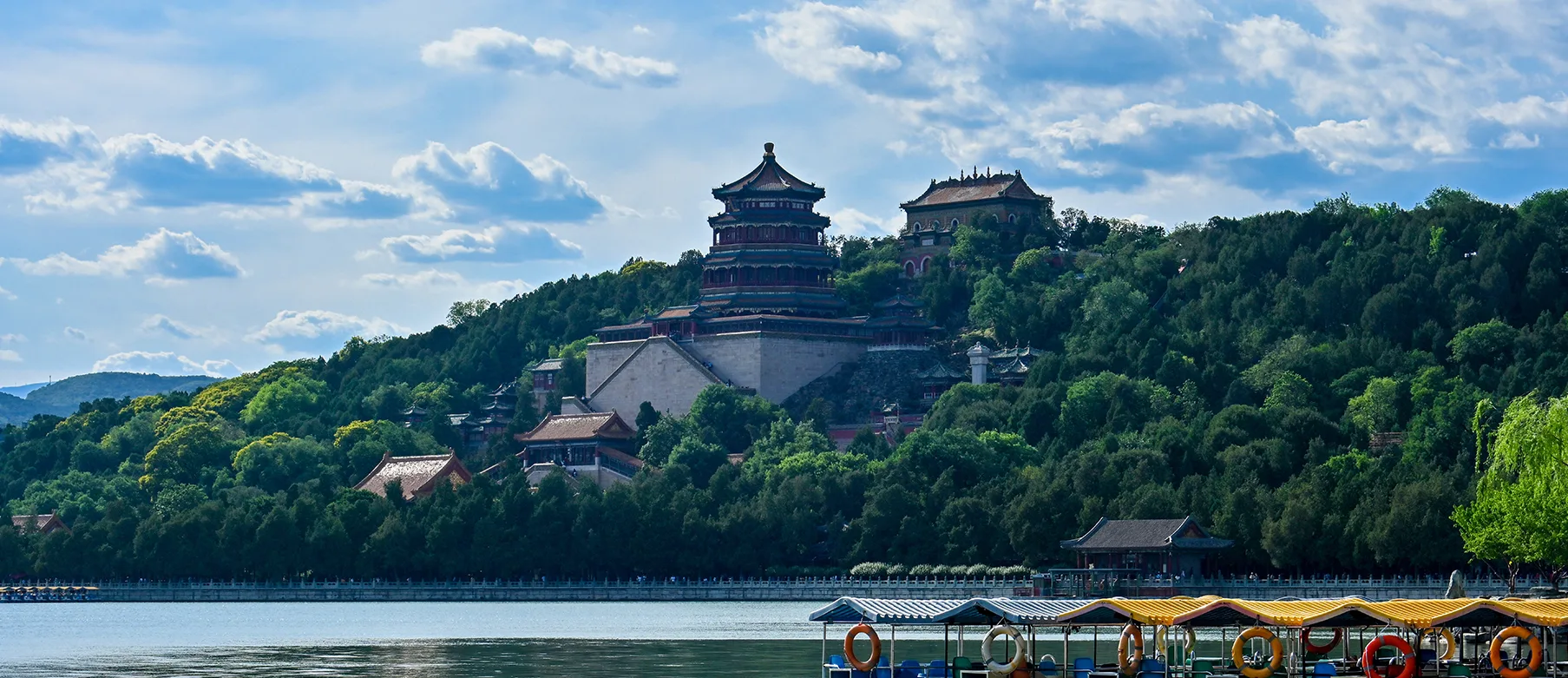
Indoor Cultural Venues
National Museum of China: One of the world’s largest museums, offering a comprehensive overview of Chinese civilization. It is well air-conditioned; advance, real-name registration is required.
China Science and Technology Museum: Features a wealth of interactive exhibits—ideal for families and science enthusiasts.
Capital Museum & Beijing Art Museum: The former focuses on the history of Beijing’s urban development, while the latter offers a tranquil, serene environment.
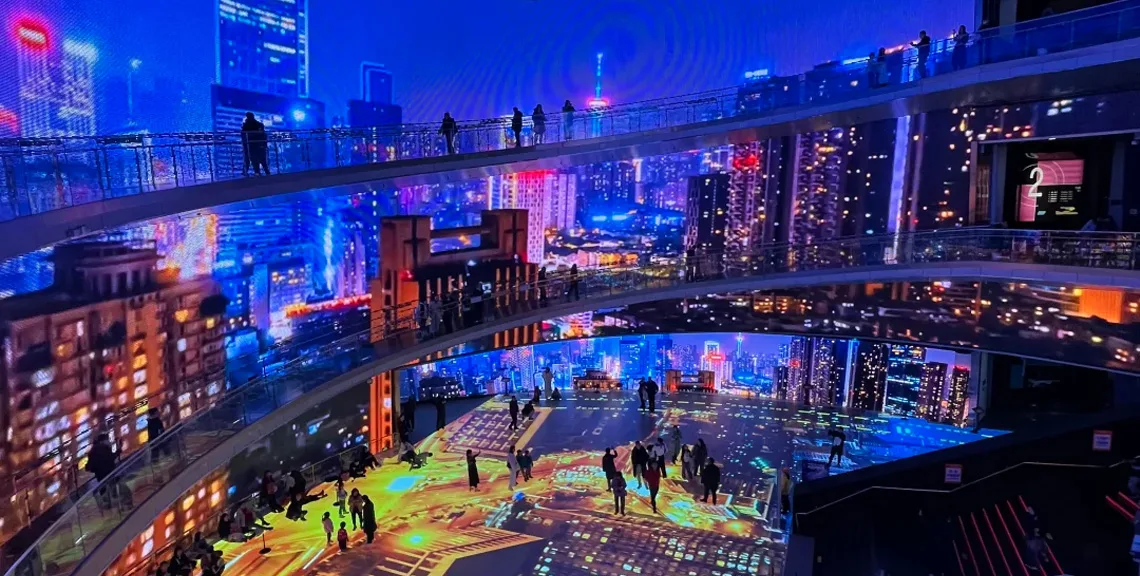
Evening Outings and Family-Friendly Activities
Houhai Bar Street and the Nanluoguxiang Night Market: Experience Beijing’s nightlife; the atmosphere is at its best in the summer, when outdoor seating is available.
Universal Studios Beijing: A theme park—it is best to visit on a weekday and avoid the midday heat. Purchase tickets in advance and download the official app to check wait times for attractions.
Autumn (September–November): Golden Autumn, the Great Wall, and Red Leaves
Autumn is widely considered the most beautiful season in Beijing. From September to October, temperatures range from approximately 12°C to 25°C, characterized by high, clear skies and crisp, transparent air—a period famously known as "Beijing’s golden autumn." By November, the weather turns cooler, marking the final stage of the red-leaf viewing season.
Hiking the Great Wall
Badaling: Offers the best facilities and most convenient transport; ideal for first-time visitors and those traveling with elderly family members.
Mutianyu: Features lush vegetation, a high density of watchtowers, and fewer crowds; includes a toboggan slide for the descent—offering the best all-around experience.
Jinshanling (Luanping, Hebei Province; approx. 2 hours from Beijing): A paradise for photography enthusiasts, where morning mist and sunrises make for spectacular shots.
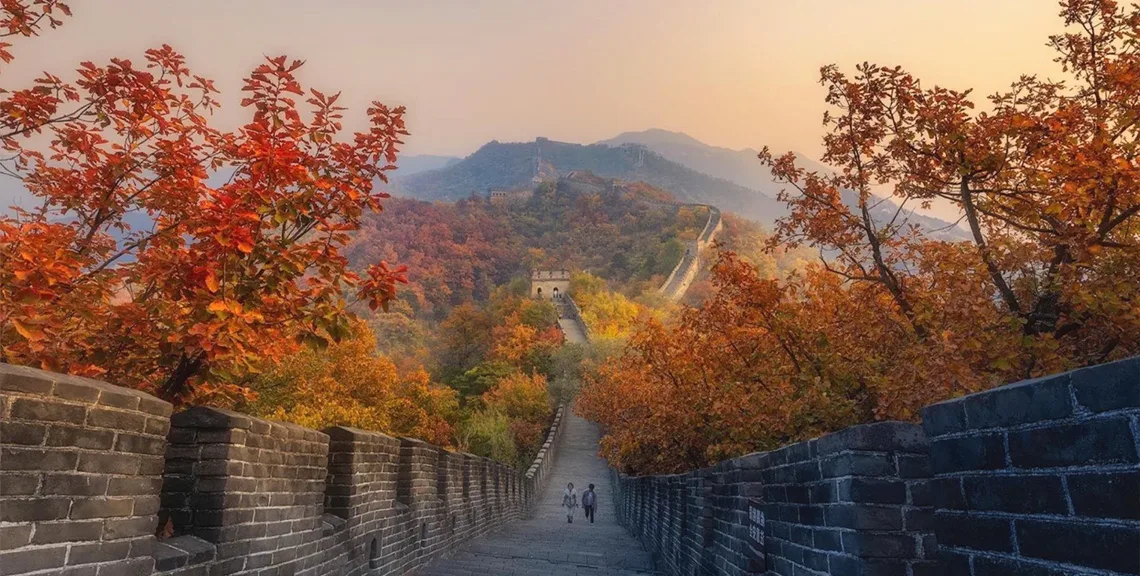
Autumn Scenery and Red Leaves
Fragrant Hills Park (Xiangshan Park): The most famous spot for red leaves in Beijing. The best time to visit is from mid-to-late October through early November. It gets extremely crowded on weekends, so visiting early on a weekday morning is recommended.
Diaoyutai Ginkgo Avenue: In November, the ginkgo trees turn a brilliant golden yellow, making this a popular location for urban street photography.
Badachu Park and Olympic Forest Park: These locations are generally less crowded and also offer beautiful autumn scenery.
Winter (December–February): Snowy landscapes, ice and snow, and the Spring Festival
Beijing in winter is cold and dry, with temperatures typically ranging from -5°C to 5°C—often dropping below -10°C at night—accompanied by biting northerly winds. Yet, with fewer tourists and lower prices, the sight of imperial architecture dusted with snow, combined with the traditional folk atmosphere of the Spring Festival, creates a unique charm exclusive to the winter season.
Imperial Architecture After a Snowfall
The Forbidden City, the Temple of Heaven, and Jingshan Park: The sight of red walls blanketed in white snow creates a premier scene for photography. The view of the snow-covered Forbidden City from the Wanchun Pavilion in Jingshan Park is particularly breathtaking.
Beihai Park and the Summer Palace: These sites take on a unique charm once their lakes freeze over. With fewer visitors in the winter, you can explore them at a leisurely pace.
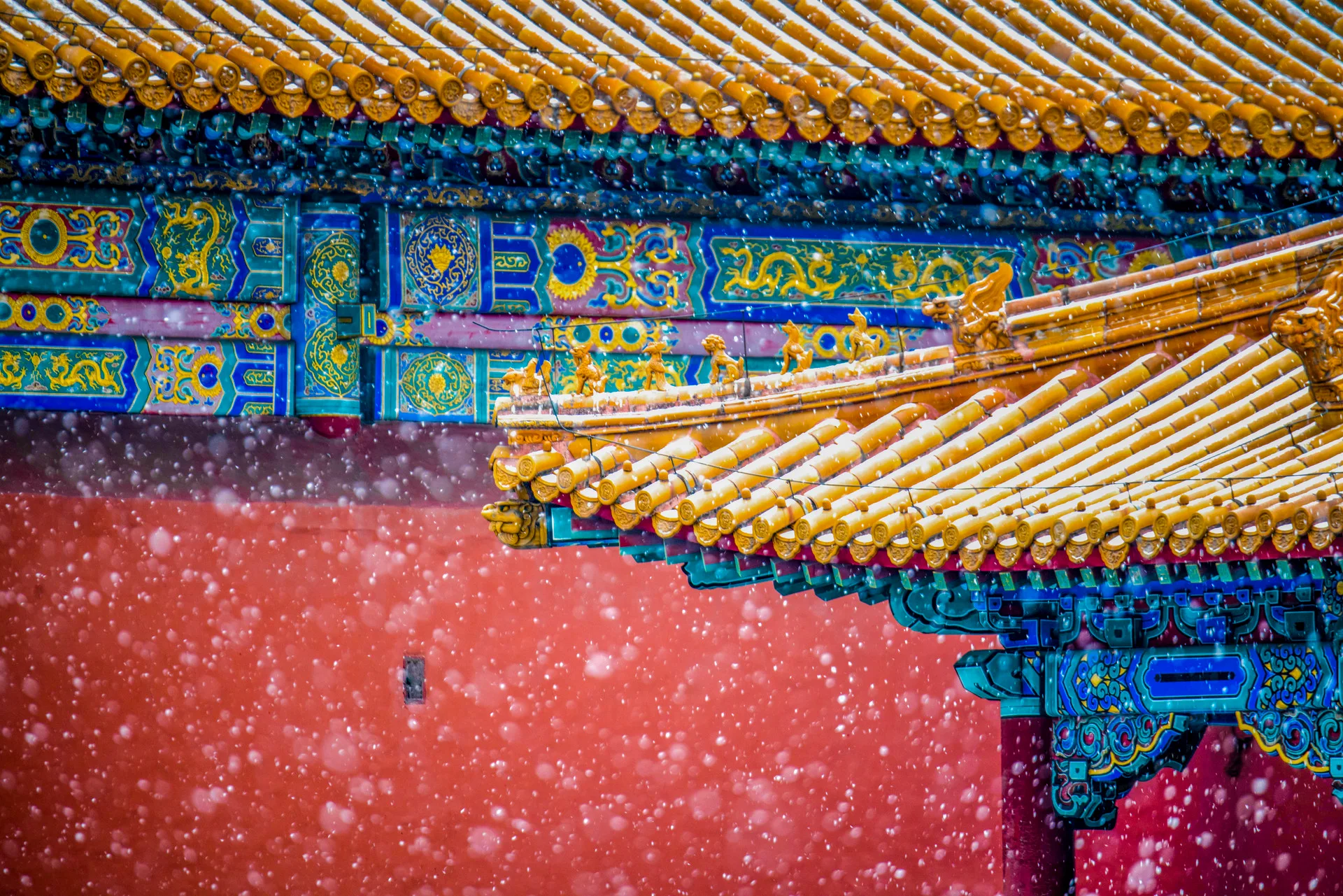
Ice and Snow Activities
Summer Palace Ice Rink: Once Kunming Lake freezes in winter, it opens for ice skating and ice sledding—a classic, traditional Beijing winter pastime.
Longqing Gorge Ice Lanterns (Yanqing): An ice lantern art festival is held here every winter, where colorful ice sculptures and frozen waterfalls look truly magical under the night lights.
Nanshan Ski Resort and Jundushan Ski Resort: Located about 1 to 1.5 hours from the city center, these resorts offer activities like skiing and snowmobiling, making them great choices for beginners.
Spring Festival Traditions (China’s Most Important Holiday)
The dates for the Spring Festival vary each year, marking the time of year with the most vibrant festive atmosphere.
Temple Fairs: Events at Ditan Park, Longtan Lake, and Changdian feature dragon and lion dances, traditional folk performances, and local handicrafts.
Festive Delicacies: Treats such as tanghulu (candied hawthorn), niangao (sticky rice cake), jiaozi (dumplings), and yuanxiao (glutinous rice balls) fill the streets with the spirit of the season.
05
Choose the season based on your interests
Your Interest | Best Season | Top Picks |
|---|---|---|
Flowers & photography | Spring (Mar–May) | Cherry blossoms at Yuyuantan, peach blossoms at Summer Palace's West Causeway, peonies at Jingshan Park |
Great Wall hiking | Autumn (Sep–Oct) | Mutianyu, Badaling, Jinshanling |
Beating the crowds | November (autumn), March (spring) | Hutong cycling, imperial gardens, better-value accommodation |
Family trips | Summer (Jun–Aug), year-round | Universal Beijing Resort, China Science and Technology Museum, Beijing Zoo |
Beating the heat | Summer (Jun–Aug) | Boat rides at Summer Palace, Shichahai, Gubei Water Town by night |
Ice & folk culture | Winter (Dec–Feb) | Skating at Summer Palace, Longqing Gorge Ice Lantern Festival, Spring Festival temple fairs |
Deep cultural immersion | Year-round (spring & autumn best) | Forbidden City, National Museum, hutongs, museums |
Regardless of the season, popular tourist attractions in Beijing generally require advance, real-name reservations. Foreign visitors should carry their original passports, as they will be needed for purchasing tickets and identity verification. Please note that opening hours and ticket prices for these attractions may vary by season; always check official announcements before your visit.
06
Quick-Reference Guide to the Four Seasons in Beijing
Season | Avg. Temperature | Climate at a Glance | What to Wear | Essentials to Pack |
|---|---|---|---|---|
Spring (Mar–May) | 5–20°C | Warm and dry, occasional wind and dust | Light jacket plus layers | Sunglasses, moisturizer, windbreaker, face mask (for pollen and dust) |
Summer (Jun–Aug) | 22–32°C (can reach 35°C+) | Hot and humid, frequent afternoon thunderstorms | Breathable T-shirts, sun protection clothing, sandals | Sunscreen, sun hat, umbrella, portable fan, insect repellent |
Autumn (Sep–Nov) | 10–22°C | Cool, dry, clear and mostly rain-free | Long sleeves, light jacket, comfortable trousers | Lip balm, light scarf, walking shoes, camera (for autumn foliage) |
Winter (Dec–Feb) | -5–5°C (can drop below -10°C at night) | Cold and dry, with snow | Down jacket, sweater, thermal layers, non-slip boots | Warm gloves, hat, scarf, hand cream, heat packs, thermos |
07
Beijing Travel Recommendations
We can craft a personalized Beijing exploration itinerary tailored to your interests, available time, and preferences—from scheduling visits to avoid the crowds, to discovering hidden dining spots that suit your taste. Here is a recommended classic itinerary:
When is the best time to visit Beijing?
The best times are spring (April–May) and autumn (September–October), when the weather is mild and the scenery is beautiful. If you prefer fewer crowds and lower prices, consider visiting in March or November.
How should you plan a trip to Beijing with children?
In the summer, prioritize indoor venues like the China Science and Technology Museum or the National Museum of China. The Beijing Zoo and Universal Studios are great options year-round. In the winter, you can enjoy ice skating at the Summer Palace or the ice lantern displays at Longqing Gorge. Please note that popular attractions often require advance reservations.
Is a separate reservation required for Tiananmen Square?
Yes. While the square is free to enter, you must make a separate, real-name reservation 1–7 days in advance; same-day reservations are not available.
Is it still worth visiting Beijing in the summer or winter?
Yes, it is—provided you know how to plan your trip. In the summer (June–August), it’s hot, humid, and crowded due to the summer vacation peak; it’s best to schedule outdoor activities for the early morning or evening, and spend the daytime exploring museums. In the winter (December–February), it’s bitterly cold, but you get to enjoy snowy scenery and a festive Spring Festival atmosphere. Both seasons see fewer tourists and lower prices, making them great times for an off-peak visit.
What is worth experiencing in Beijing during the Spring Festival?
For the most authentic festive atmosphere, visit the temple fairs at Ditan Park or Longtan Lake, watch dragon and lion dances, and sample traditional holiday treats like tanghulu (candied hawthorn), niangao (sticky rice cake), and jiaozi (dumplings). The 2026 Spring Festival holiday runs from February 15 to 23—a period that also sees the heaviest crowds. Note that many shops and restaurants close from Lunar New Year’s Eve through the first day of the Lunar New Year, so be sure to plan your meals in advance.
Published 2026-11-27 by Manjing Travel.
Still have a question this did not answer?
A named planner replies within one working day. No call centre and no chatbot.
Ask a planner