Trip Planning
Guiyang Guide: Attractions, Cuisine, Itineraries & Life
Tucked into Guizhou's karst hills, Guiyang pairs misty parks and sour-spicy cooking with a slow, easygoing street life — here's how to get the most from it.
Manjing Travel
Published 11 min read
01
Guiyang, the capital of Guizhou Province, is a "forest city" surrounded by mountains. It boasts cool summers, a rich tapestry of ethnic cultures, and a cuisine defined by appetizing, sour-and-spicy flavors—a place where natural landscapes and human history coexist in harmony.
02
Guiyang at a Glance
Located in the eastern part of the Yunnan-Guizhou Plateau, Guiyang is renowned as "China’s Summer Resort Capital." The city is graced with forests and parks, while its unique karst landscape has shaped a terrain of striking mountains and beautiful waters. Home to various ethnic groups—including the Miao and Bouyei peoples—the city is enriched by their vibrant festivals, traditional attire, music, and distinctive architecture. Though Guiyang is developing rapidly, it retains a relaxed pace of life and a warm, down-to-earth charm.
03
The Highlights: A Guide to Must-Visit Attractions
Delve into Guiyang, where a collection of key destinations forms the cornerstone of the travel experience—ranging from historical sites and natural wonders to unique contemporary art, they reveal the multifaceted character of this city.
Jiaxiu Pavilion: A Symbol of Guiyang’s History
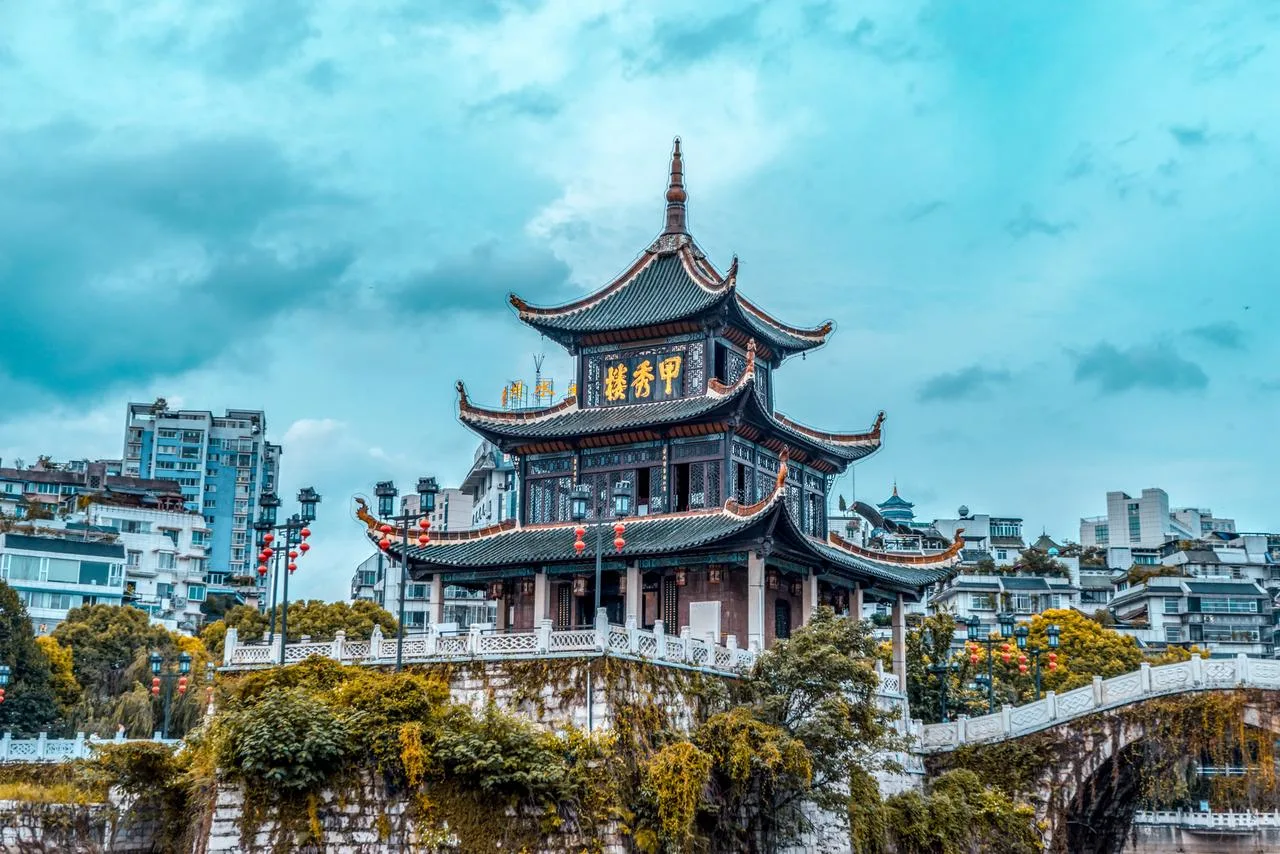
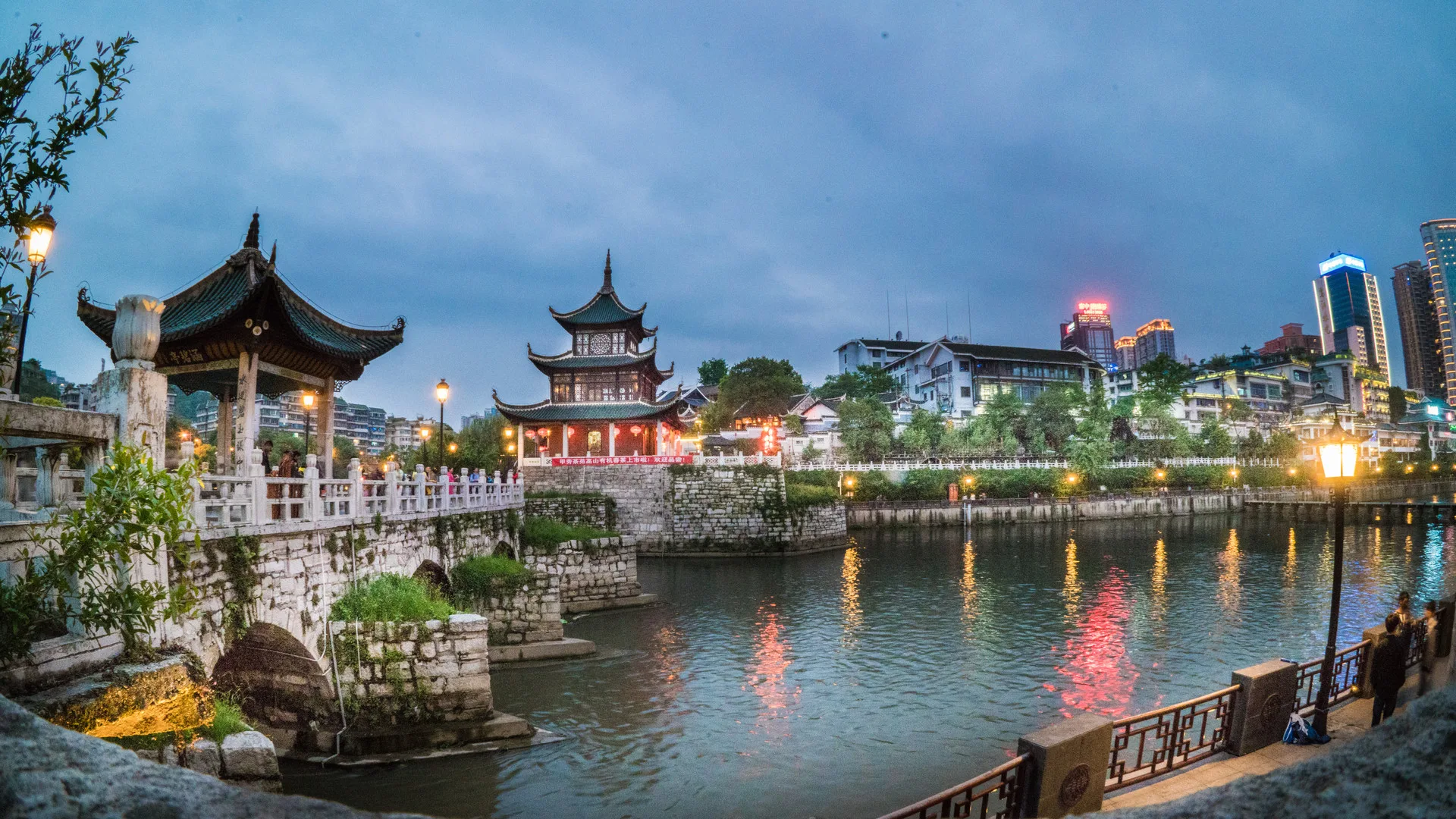
Originally built during the Ming Dynasty, this pavilion stands atop a massive boulder in the Nanming River. Its name carries the auspicious meaning of "flourishing scholarly excellence," and it serves as an iconic symbol of Guiyang’s culture.
The best time to visit is on a clear evening; you can capture the pavilion’s elegant silhouette bathed in the glow of the setting sun, and then stay to watch the lights come on, creating a brilliant reflection upon the river. As the interior space is limited, a visit typically takes about 40 minutes.
Qingyan Ancient Town: An Epic Written in Stone
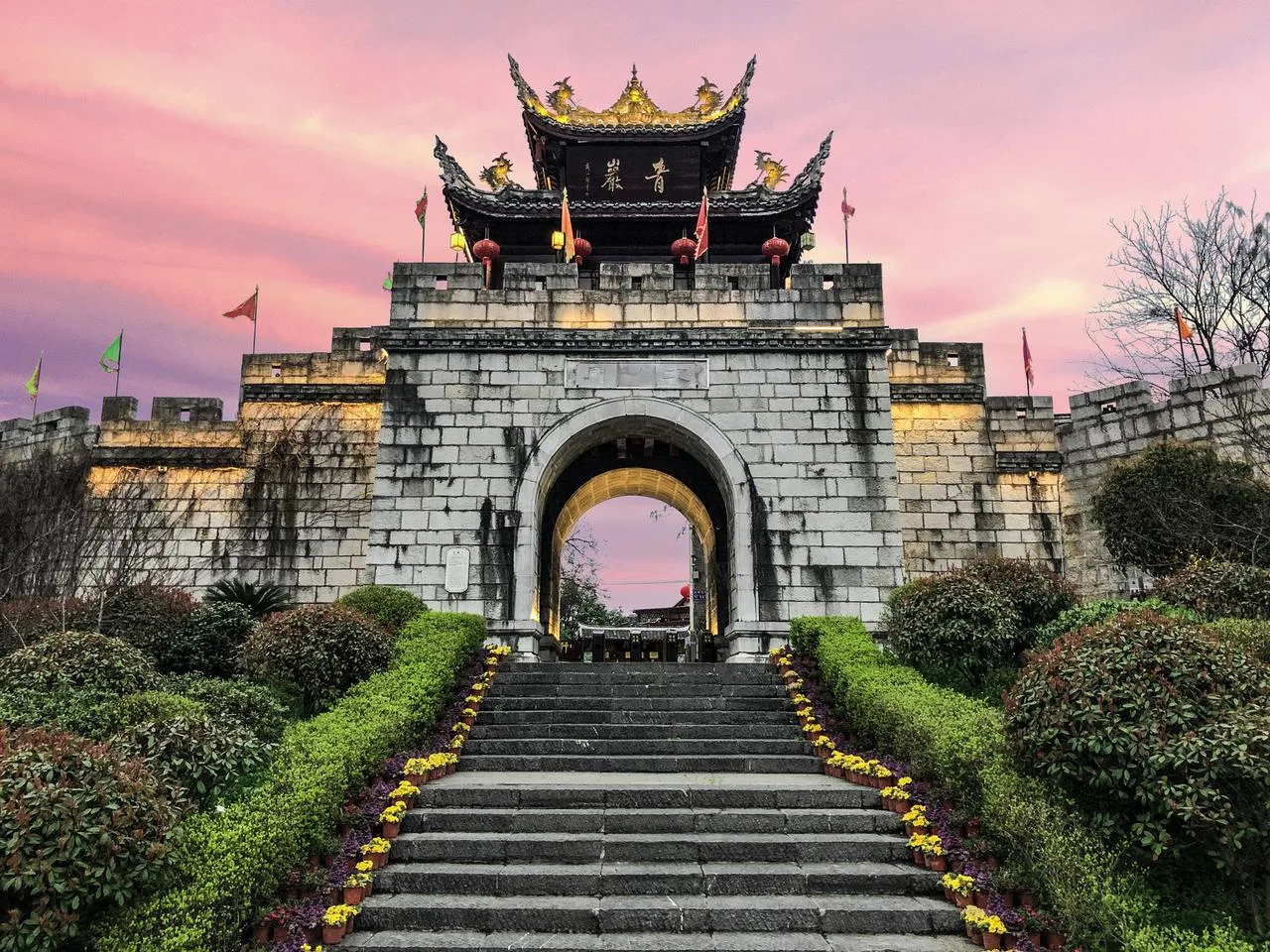
Located about an hour’s drive from the city center, this is an ancient military town dating back to the Ming Dynasty. Its city walls, narrow lanes, and traditional residences are all constructed from stone slabs; the town also served as a filming location for the movie The Missing Gun.
Be sure to try the local specialty—braised pig’s trotters. You can explore the town’s artisanal silver shops, workshops producing rose-infused sweets, and various local snack stalls. A walk along the ancient city walls offers a vantage point to overlook the dense, overlapping stone-slab roofs—it is recommended to set aside the better part of a day to take in the scenery.
Huaxi Yelang Valley: A Fantastical Stone Castle
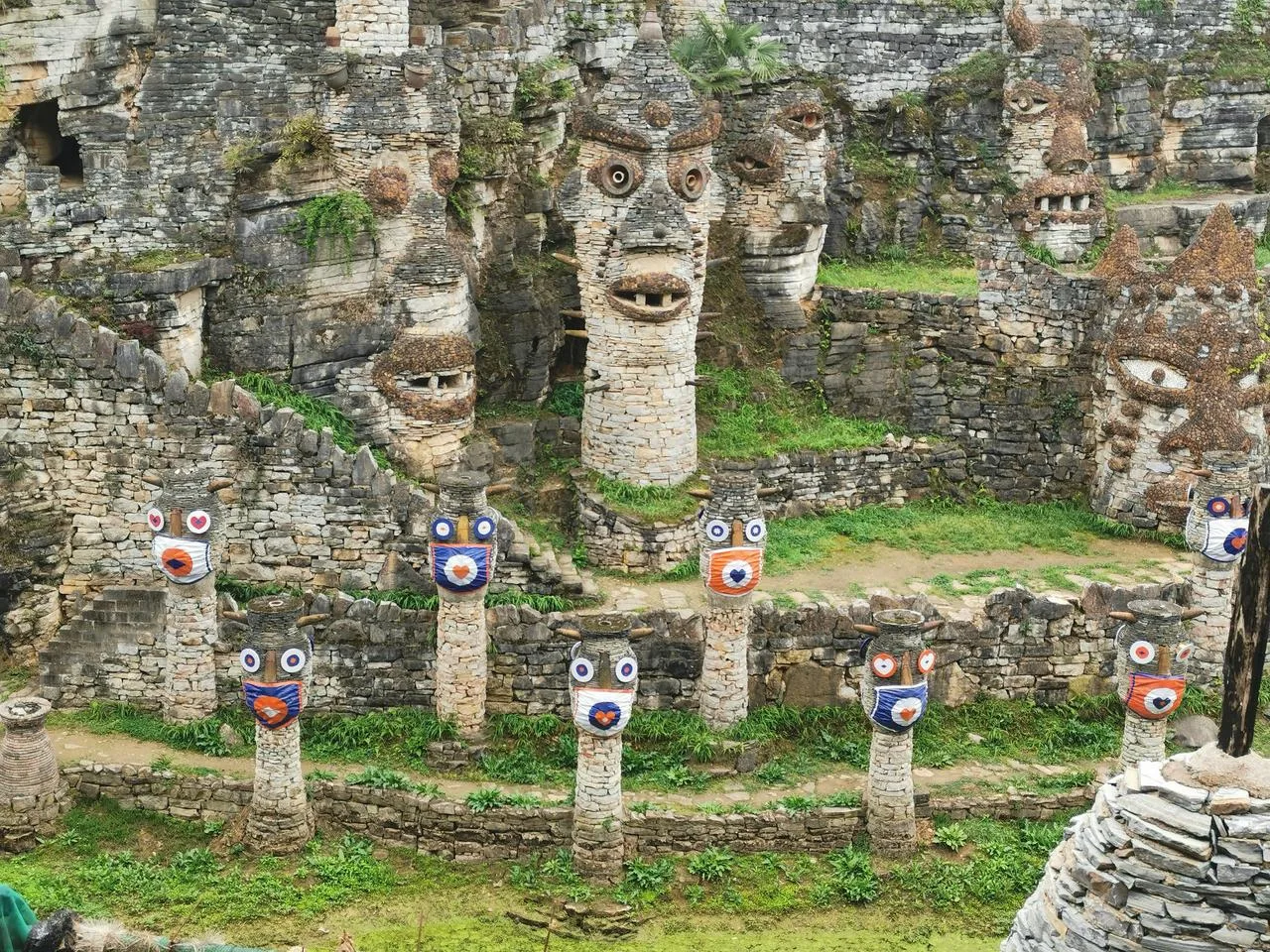
This is a private artistic kingdom, crafted over more than two decades by the artist Song Peilun and inspired by the ancient Yelang culture of Guizhou. The canyon is filled with extraordinary sculptures, totems, and castles constructed from stones, pottery shards, and earthenware jars—a sight that offers a striking visual impact.
As this is an open-air art installation, it is best experienced in clear weather. Please respect the artist’s work by refraining from climbing on or damaging the sculptures. A typical visit lasts about 1–2 hours.
Qianlingshan Park: A Stroll Among the Clever Monkeys
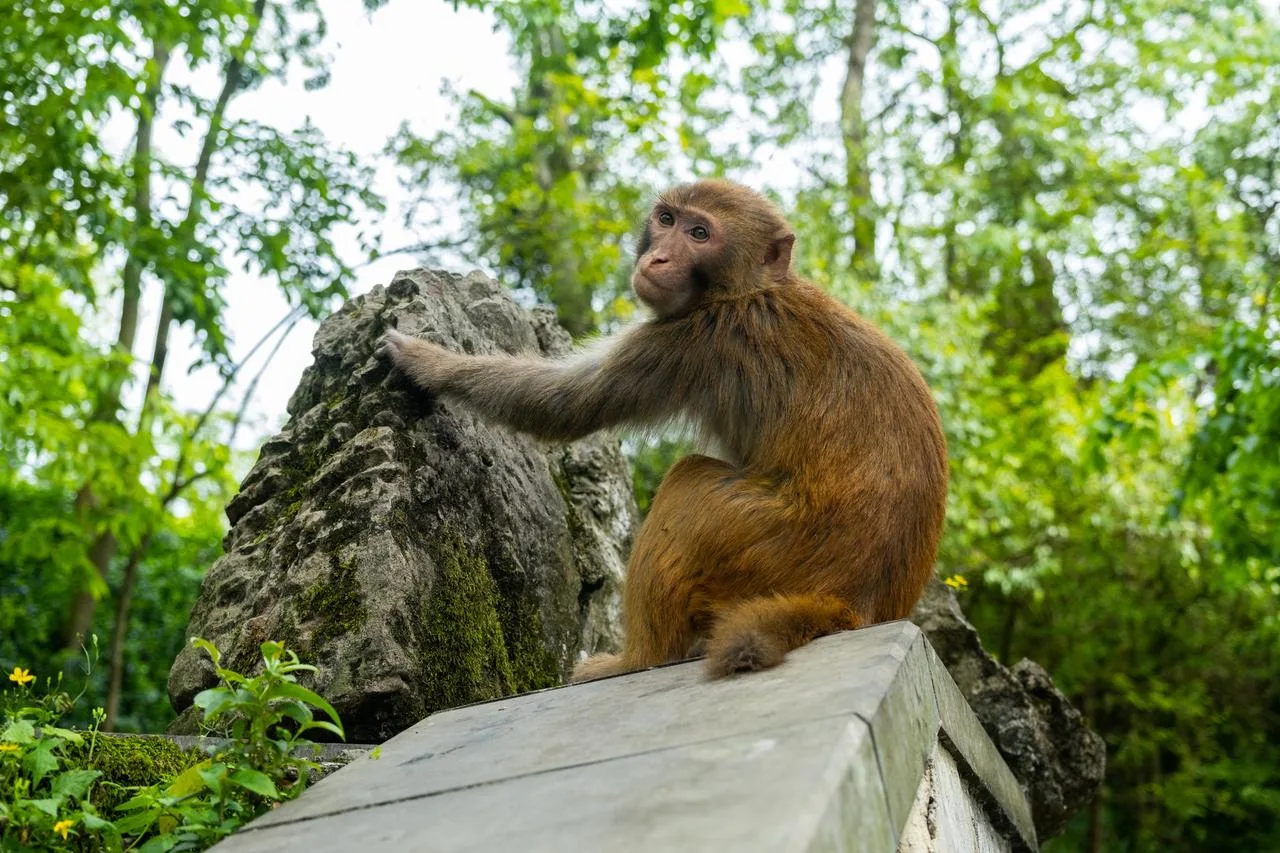
This sprawling urban park serves as a backyard retreat for locals. You can enjoy a hike for exercise or visit the bustling, incense-filled Hongfu Temple; however, the park’s greatest highlight is the troop of macaques living freely in the mountains.
The park also houses a zoo, which is free to enter (though an advance reservation is required). If you plan to visit, the afternoon is the best time, as the animals tend to be more active then.
Tianhetan: A Miniature Landscape of Karst Topography
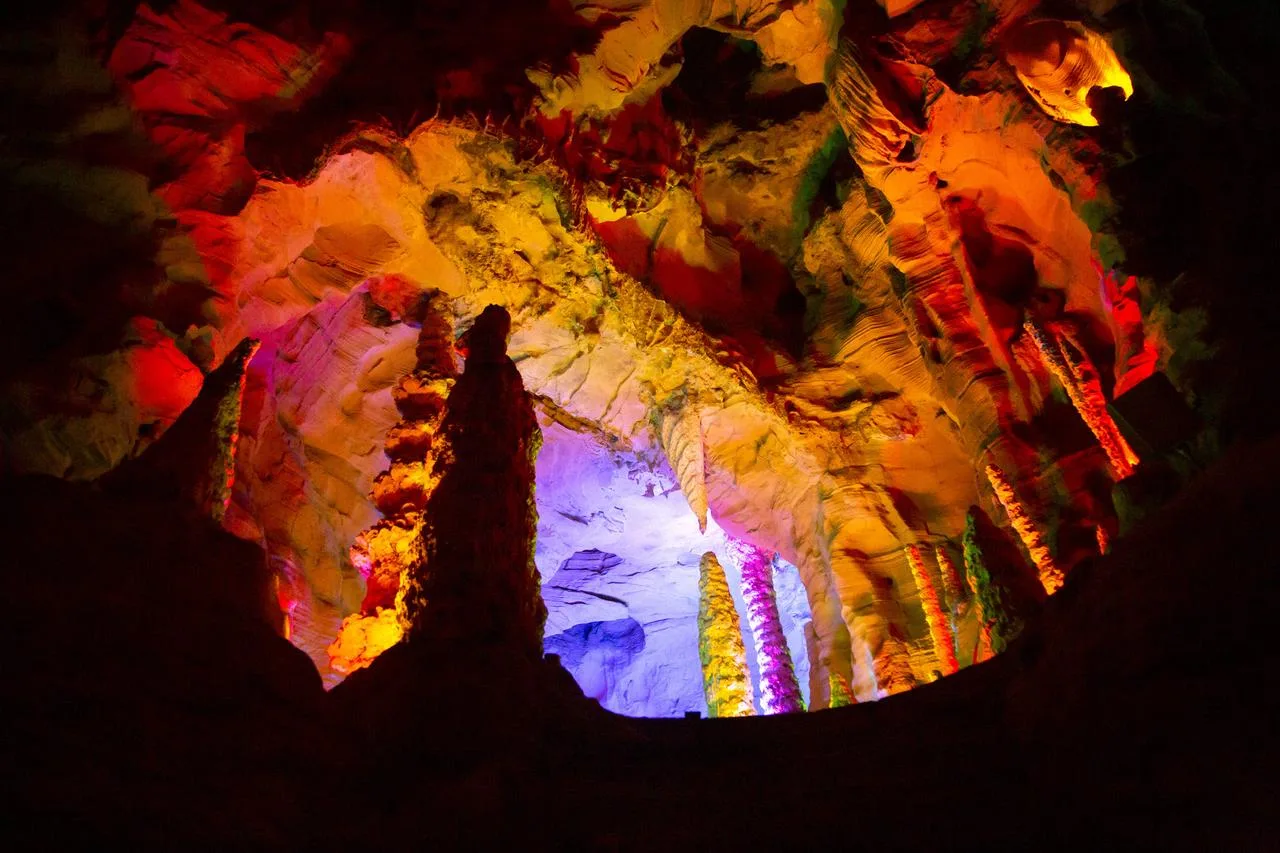
This site is often described as a "miniature landscape of Guizhou’s natural scenery." The journey typically begins with a boat ride into a deep, cavernous waterway, followed by a walk through dry cave sections filled with spectacular stalactite formations. Upon exiting the cave, you are greeted by waterfalls and a natural stone bridge.
The interior of the cave remains cool and humid year-round, so bringing a light jacket is recommended. For other activities available at the site—such as rafting or zip-lining—please prioritize your safety.
Huangguoshu Waterfall: The Grandeur of Asia’s Premier Waterfall
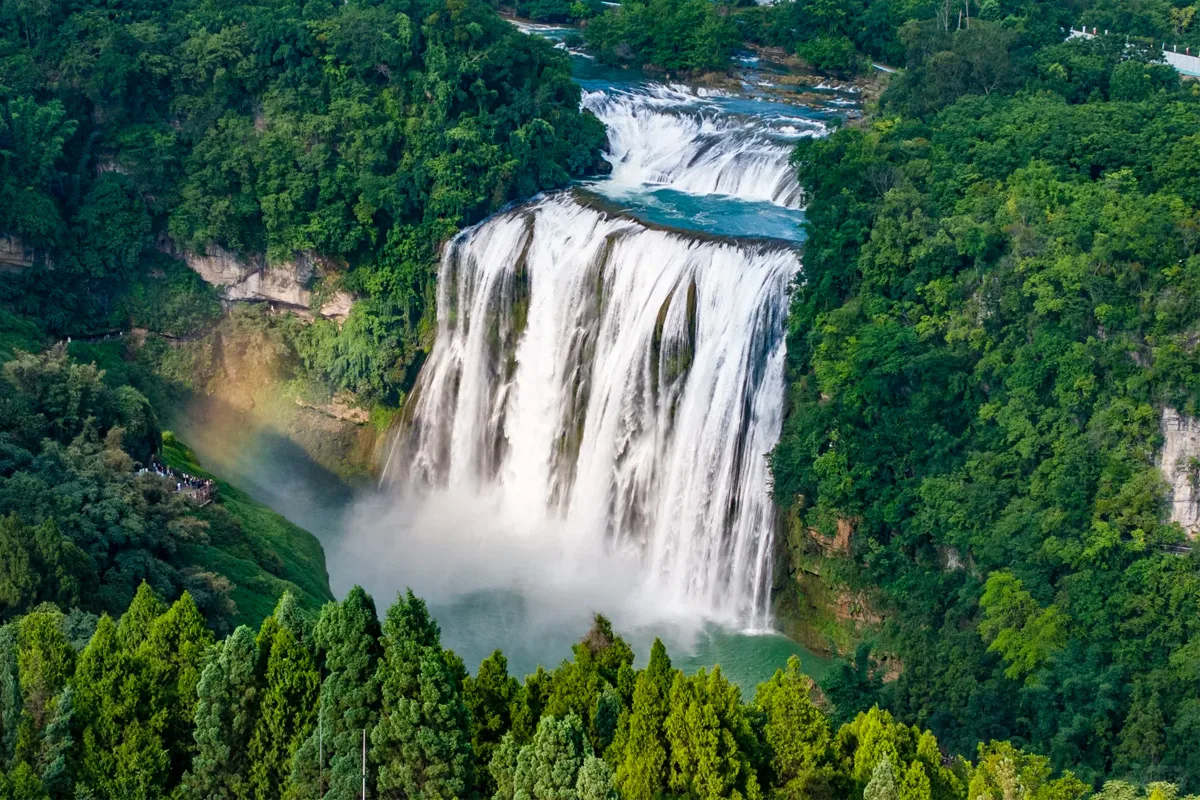
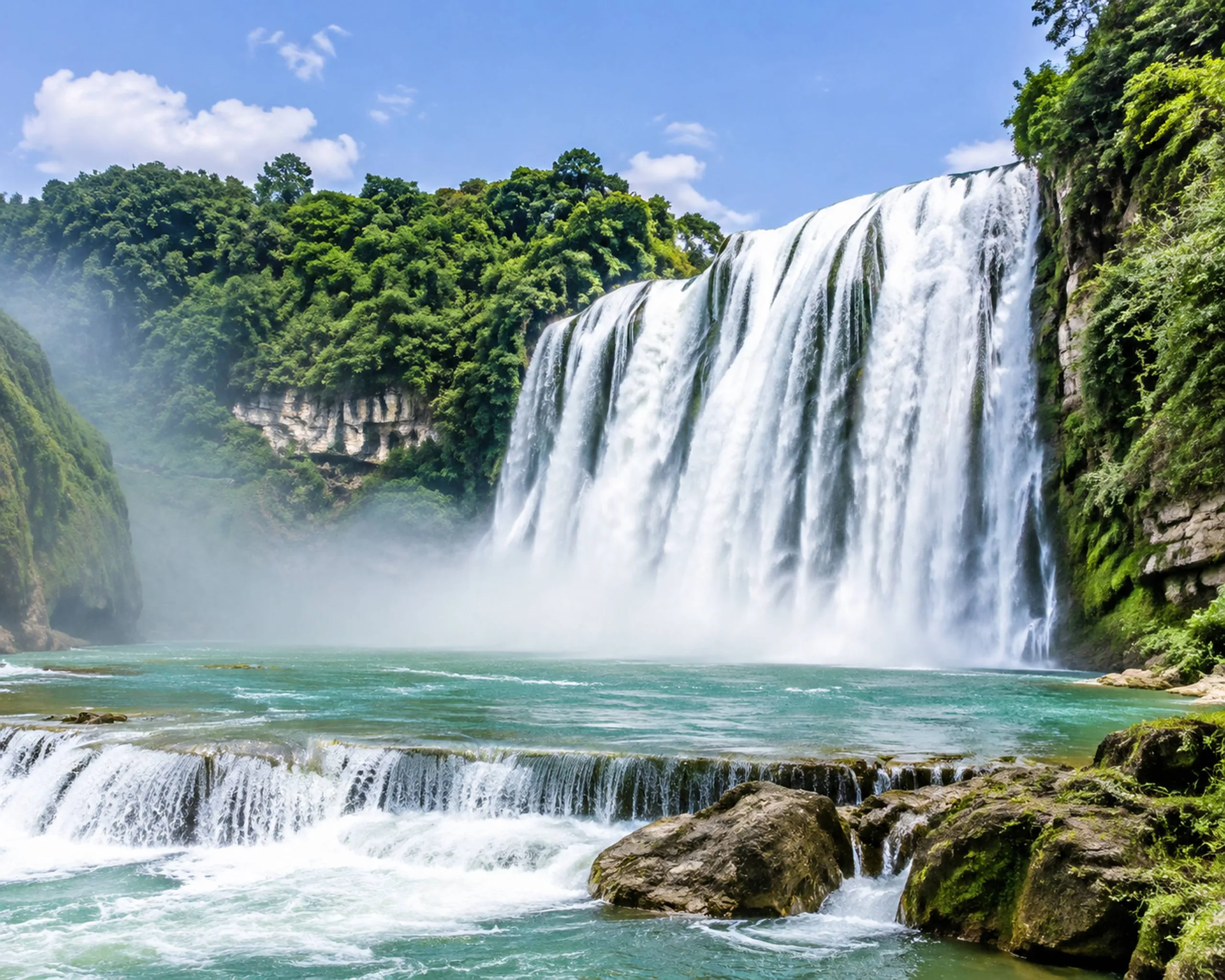
Located in Anshun, this waterfall—standing 77.8 meters tall and spanning 101 meters in width—is the largest in Asia. It also served as the filming location for the "Water Curtain Cave" in the 1986 television adaptation of Journey to the West. The highlight of the experience is walking through the Water Curtain Cave, where you can observe the cascading curtain of water from behind the falls.
The scenery is most spectacular during the high-water season from May to October. For a more comfortable experience with fewer crowds, consider visiting in March–April or September–November; try to enter the park before 8:00 AM.
Bring a raincoat and wear non-slip footwear. Be sure to use the sightseeing shuttle buses; a visit covering the highlights typically takes 6–7 hours.
04
Immersive experience
To truly connect with this city, immerse yourself in the local scene and create your own unique memories.
Explore the bustling night markets after dark: places like "Erqi Road Snack Street" or "Qingyun Road Night Market" come alive with vibrant energy at night. Sample an array of authentic local snacks, and pull up a small plastic stool to dine alongside the locals.
Experience a Miao or Bouyei festival: If the timing is right, venture into a nearby Miao or Bouyei village to catch one of their traditional celebrations—such as the "April 8th" festival or the "Flower-Dancing Gathering" (Tiao Hua Chang)—where you will encounter elaborate silver ornaments, traditional festive attire, and spirited singing and dancing.
Learn a traditional craft: At certain cultural experience centers or villages, you can try your hand at simple batik or embroidery. It will make for a one-of-a-kind travel souvenir.
05
Flavors of Guiyang: A Culinary Journey of Sour, Spicy, Fresh, and Savory Tastes
Guiyang’s culinary culture is deeply influenced by its mountainous environment and diverse ethnic traditions; characterized by a profile that is sour, spicy, fresh, and fragrant, its dishes are appetizing, refreshing, and truly memorable.
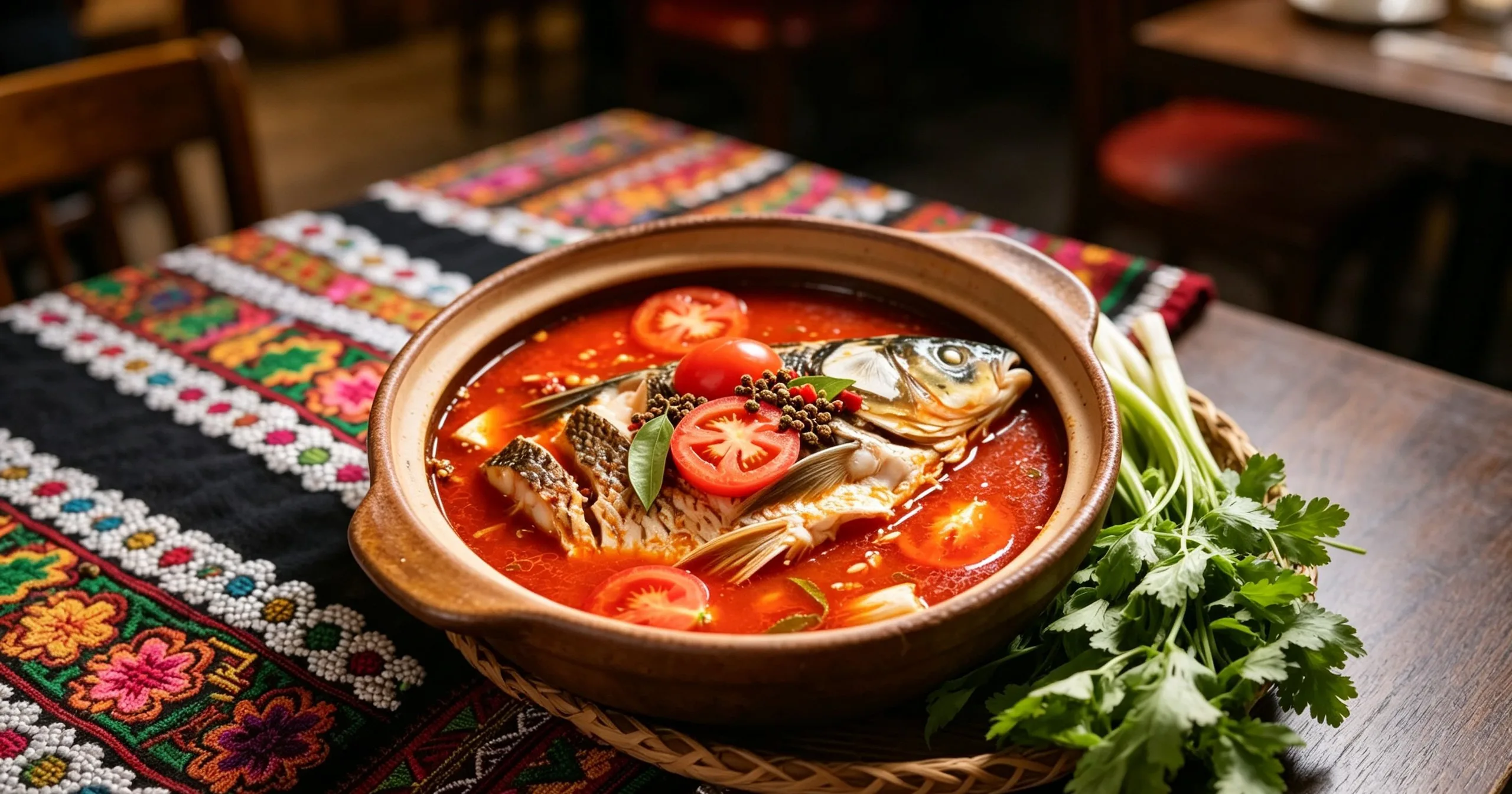
Sour Soup Fish:
This is a signature dish from Guizhou and a hallmark of Guiyang cuisine. It features tender freshwater fish cooked in a sour broth base, prepared using either naturally fermented rice water or tomatoes.
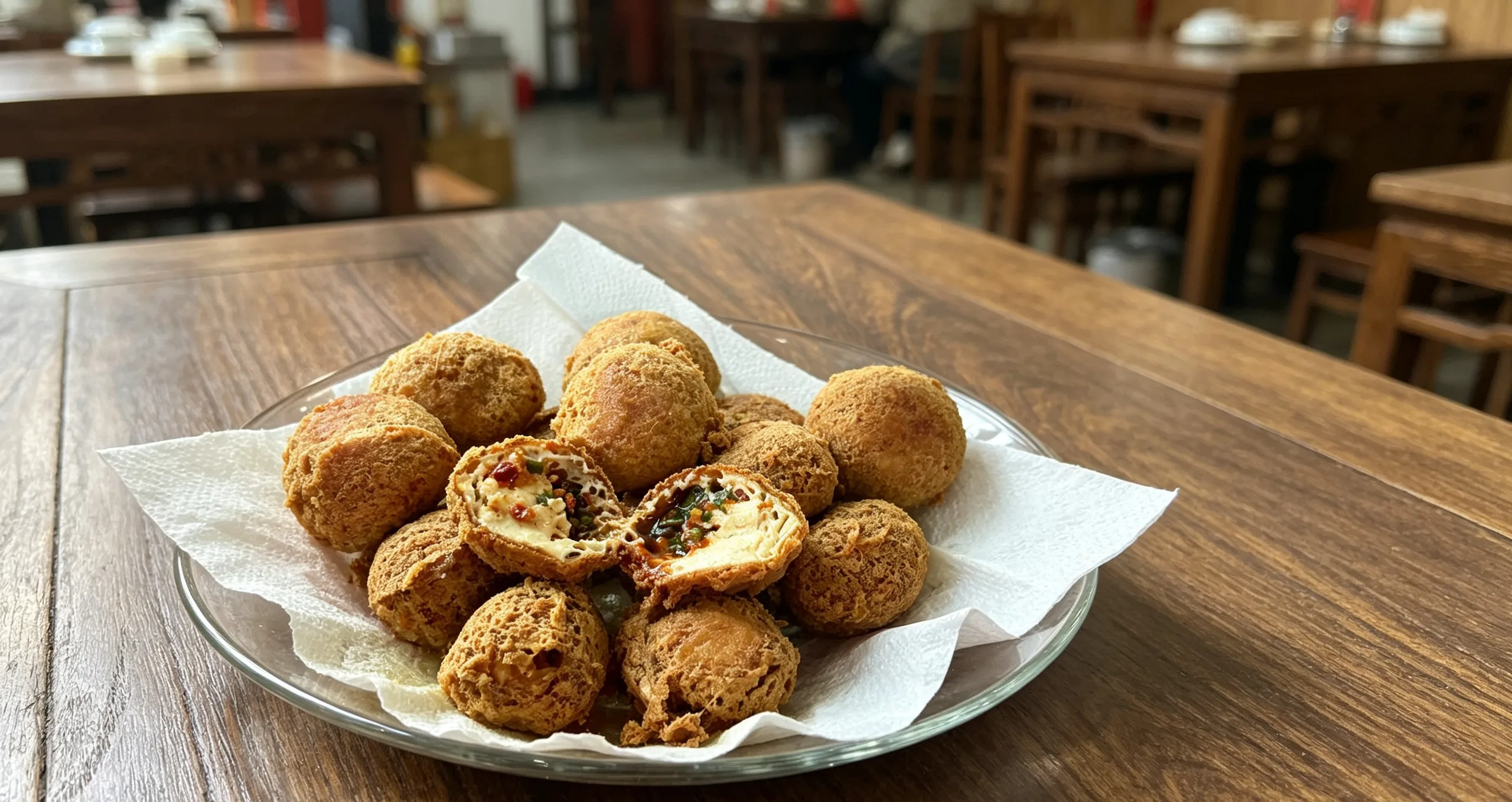
Tofu Fritters (Doufu Yuanzi):
Made by mashing tofu, seasoning it, shaping it into balls, and deep-frying them. They feature a crispy outer layer with a soft, airy interior. They are typically served with a spicy dipping sauce—often prepared with ingredients like zhe'ergen (houttuynia/fish mint) and pickled radish—offering a unique flavor profile.
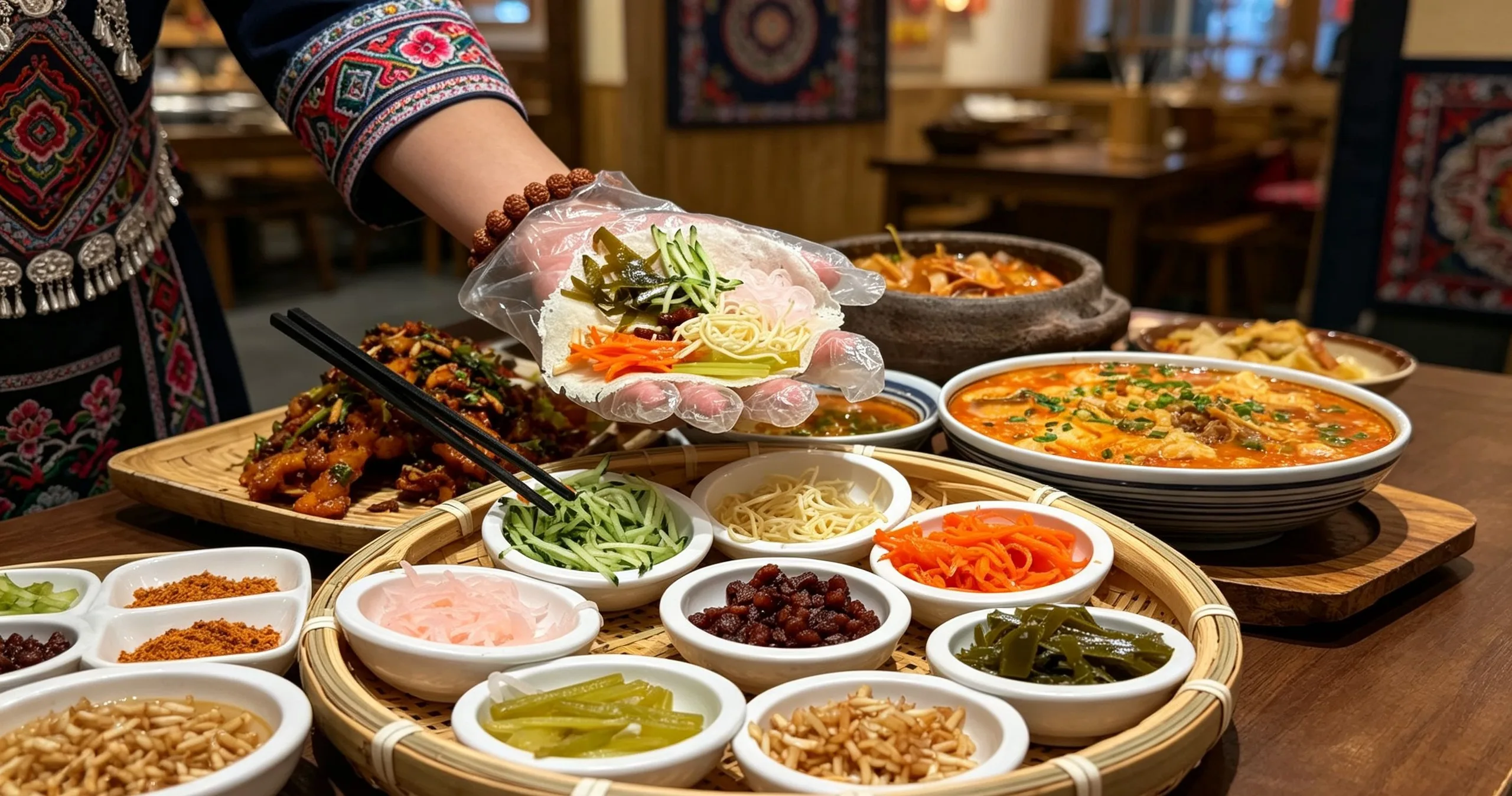
Siwawa (Vegetable Wraps):
A snack that’s as fun to assemble as it is to eat. You are served a stack of thin wrappers alongside a variety of shredded vegetarian ingredients—such as cucumber, bean sprouts, and pickled radish. Simply roll the vegetables into a wrapper, add a spoonful of tangy, spicy dipping sauce, and pop the whole thing into your mouth for a fresh, multi-layered taste experience.
Of course, the culinary offerings in Guiyang go well beyond these—there’s also spicy chicken (*lazi ji*), doumi (bean-based) hot pot, sticky rice, and much more.
Where to find great food:
Erqi Road Snack Street: Located near the railway station, this area brings together hundreds of snacks from across Guizhou, making it an excellent one-stop destination.
Qingyun Road Night Market: A popular late-night dining spot for locals, featuring not only snacks but also lively barbecue stalls and casual open-air eateries.
Old Town Alleys: Tucked away in the narrow lanes around Penshuichi and Dazishizi are many long-established, highly-regarded eateries—well worth seeking out.
06
When to Visit
Guiyang features four distinct seasons, each with its own unique appeal.
Summer (June–August): A Cool Summer Retreat – The Best Time to Visit
With an average temperature of only around 23°C (73°F), this is the perfect destination to escape the sweltering heat. While occasional rain showers occur, the air becomes exceptionally fresh afterward. Many ethnic festivals—such as Dragon Boat races and the Yi people’s Torch Festival—also take place during the summer.
Spring (March–May) and Autumn (September–November): Prime Seasons
During March and April, the Pingba Cherry Blossom Garden—one of the largest cherry blossom sites in the world—reaches its full, spectacular bloom.
Winter (December–February): A Quiet Getaway
The weather is damp and cold, with the possibility of snowfall in mountainous areas. With fewer tourists, you can enjoy a more tranquil atmosphere at attractions and take advantage of more competitive hotel rates. Be sure to dress warmly.
07
Transportation and Accommodation
How to Reach Guiyang
Guiyang Longdongbao International Airport and Guiyang East Railway Station are the two major transportation hubs.
Guiyang Longdongbao International Airport (KWE) is located approximately 20 kilometers from the city center and offers connections to major domestic and international cities. It is highly accessible, with Metro Line 2 providing a direct link to the downtown area.
Guiyang East Railway Station is a significant railway hub situated about 15 kilometers from the city center; however, there is currently no direct metro connection to this station.
Guiyang North Railway Station is located approximately 6 kilometers from the city center. It serves as a hub for rail lines connecting to destinations such as Chengdu, Chongqing, Guangzhou, and Kunming, and is linked to the city center via the metro.
Getting Around the City
Metro: The most efficient and punctual mode of transport. Several lines are currently in operation, connecting the airport, railway stations, and various commercial districts.
Taxis/Ride-hailing Services: Reasonably priced and a convenient option for reaching areas not directly served by the metro. Using the Didi Chuxing app to hail a ride is very common. In Guiyang, the starting fare for a taxi is 10 RMB during the day and 12 RMB at night.
Public Buses: With an extensive network and low fares, buses are a suitable choice for short-distance trips when you are not in a rush.
Choosing an Area to Stay
Nanming District / Yunyan District (Old City Center): Centered around Penshuichi (Fountain Square) and Dazhizi (Big Cross), this area offers great convenience for daily life and an extensive array of dining options. Located near Jiaxiu Pavilion, it provides a more authentic, vibrant local atmosphere, with accommodations consisting primarily of business hotels and boutique, design-oriented guesthouses.
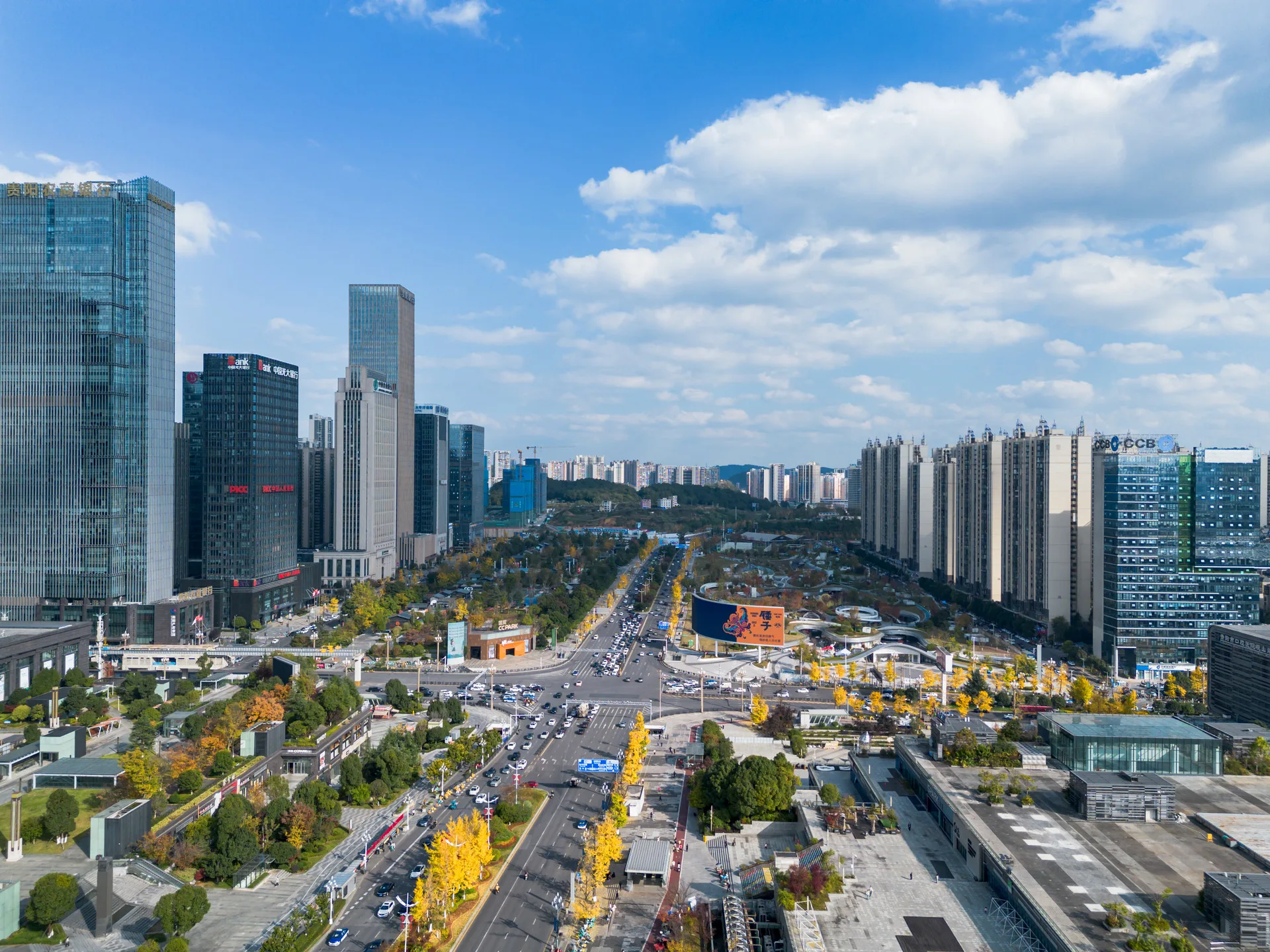
Huaguoyuan Area: One of the busiest and largest commercial districts in Guiyang, it brings together a diverse range of shopping, dining, and entertainment venues.
08
Recommended Itinerary
5-Day Guizhou Trip: China's Hidden Karst
Guiyang → Zhijin Cave → Huangguoshu Waterfall → Huajiang Canyon Bridge → Libo Xiaoqikong (Seven-Hole Small Bridge)
Explore Guizhou’s karst landscapes and experience its mountain ranges in 5 days.
09
Pre-departure Reference and Practical Information
This information will help you better adapt to the local environment and ensure a smooth journey.
Weather and Clothing Advice
The weather in Guiyang is highly changeable; a local saying—"it rarely stays clear for three days in a row"—reflects its frequent rainfall. Even in summer, temperatures can be cool in the morning and evening. Be sure to check the weather forecast before heading out; a "layered" approach to dressing is recommended, and it is wise to always carry a lightweight waterproof jacket or an umbrella. Comfortable walking shoes are essential.
Currency and Payment Methods
Currency: Chinese Yuan (CNY/RMB). Cash is still used in small markets, at street stalls, and in some taxis.
Digital Payments: Alipay and WeChat Pay are the primary payment methods, accepted at the vast majority of establishments, including taxis, convenience stores, and chain restaurants. Foreign visitors can now link international credit cards (such as Visa or MasterCard) to these platforms, though transaction limits and service fees may apply. The most convenient approach is to seek assistance from a local friend or simply carry a sufficient amount of cash.
Communications and Networks
In mainland China, services such as Google Maps, Gmail, LINE, Facebook, and Instagram are not directly accessible; you will need to prepare alternative tools in advance.
Internet Access: The most convenient option is to purchase an eSIM for mainland China (e.g., a 5G data plan) before your trip, which can be activated upon arrival. Alternatively, you can obtain a physical local SIM card at an airport or a mobile carrier’s retail outlet—a better choice if you need to make voice calls or are traveling to rural areas, such as those in Guizhou.
Maps and Navigation: Use Amap (Gaode Maps) or Baidu Maps instead of Google Maps; these provide more accurate and locally relevant navigation for public transit and walking.
Published 2026-11-13 by Manjing Travel.
Still have a question this did not answer?
A named planner replies within one working day. No call centre and no chatbot.
Ask a planner